The Gold Rush
Discovered in 1803, rhodium is a rare and noble metal from the platinum group, with a vibrant white-silver color. Almost 80% of all rhodium comes from platinum mines in South Africa, and with only a small amount available annually (around 20 tons), it is the most expensive metal in the world - it can be up to 25 times more expensive than gold.
Why should jewelry be rhodium-plated?
This thin layer deposited on the surface of the jewelry enhances the appearance, quality, and longevity of the pieces. Rhodium does not tarnish, does not corrode, and is extremely durable. However, it is a very brittle metal and is not easy to shape, and as a result, pure rhodium cannot be turned into jewelry. But when used to plate other jewelry, rhodium improves the durability of the metal, adds an extra layer of protection, and produces a whiter shine than silver, white gold, or platinum. Being a hard metal, rhodium-plated jewelry will be more resistant to scratches.
In addition, rhodium plating is hypoallergenic. This is because rhodium does not contain allergens such as nickel. If you have a piece of jewelry that causes skin reactions, rhodium plating that piece can eliminate this problem.
What is the plating process?
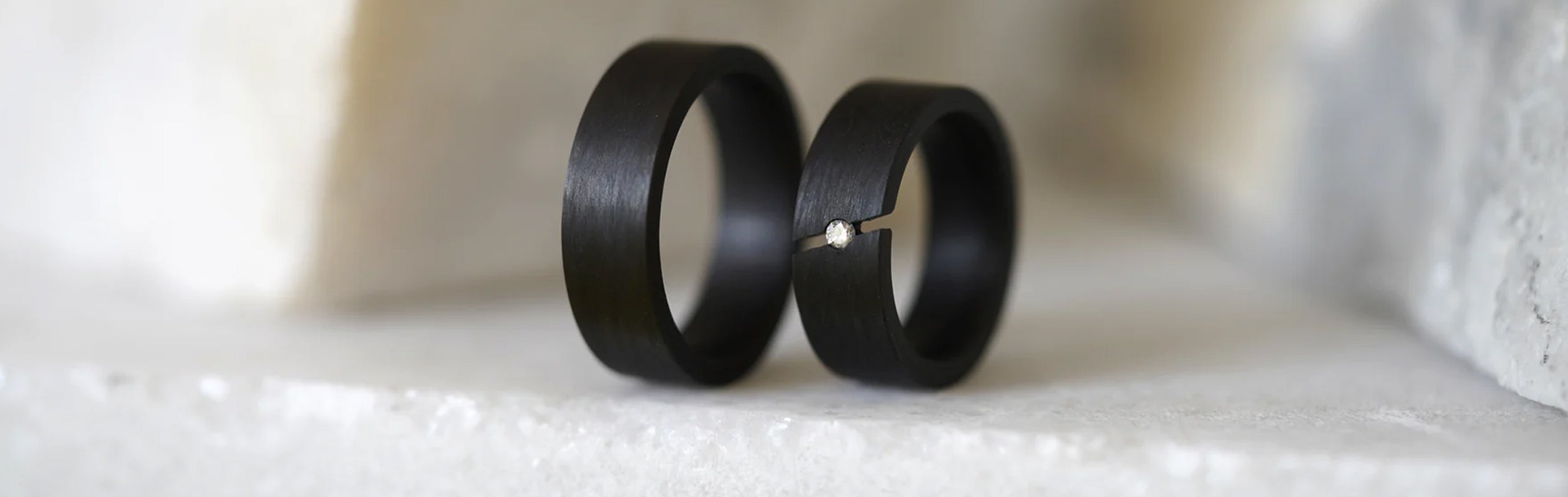
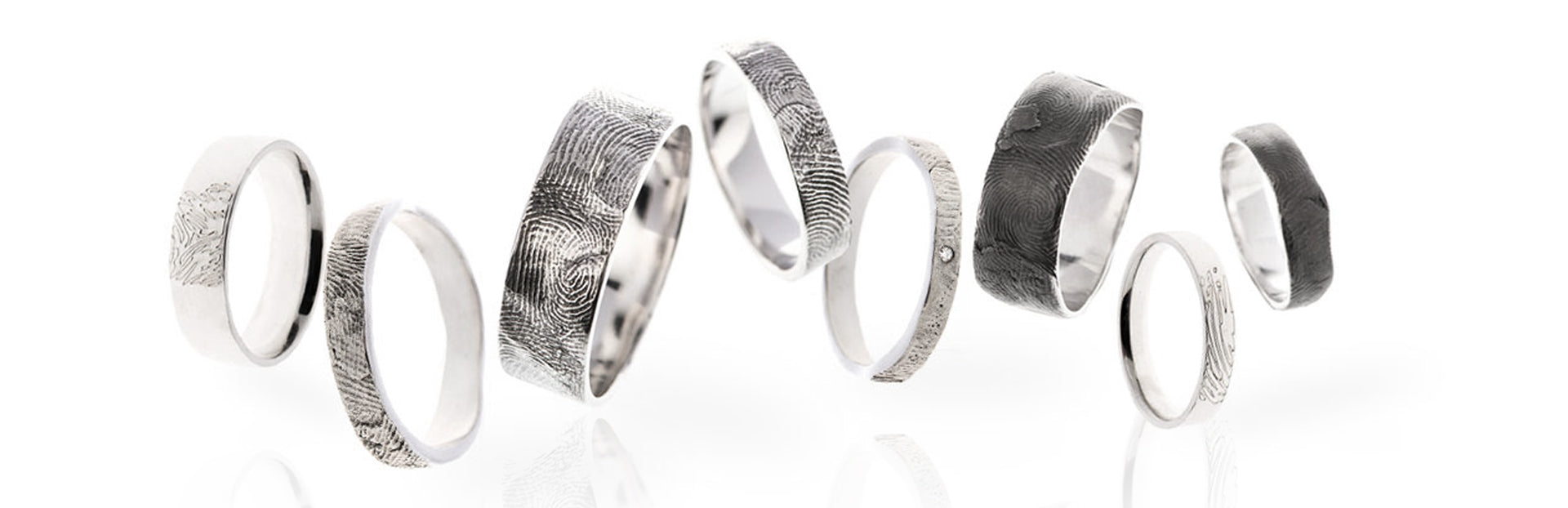
Plating can be done galvanically (galvanization is an operation that consists of depositing layers of rhodium on other metals, such as gold, for example) in a galvanic bath or using a plating system with a galvanic pen – this procedure is used only for small surfaces and fine corrections. There are two types of rhodium solutions for galvanic baths: white and black. The white rhodium solution creates a beautiful silver-white shine, while when using black rhodium, the jewelry has a black and shiny surface.
The ideal thickness for rhodium plating is from 0.75 to 1.0 microns.
How long does rhodium plating last on a piece of jewelry?
Like any other metal used in jewelry, rhodium tends to degrade with exposure to the environment. Usually, a ring should be replated every 1-2 years, but this can vary depending on the wear the piece has, as well as the thickness of the plating. If it is a piece that is not worn daily, the plating can last 7-10 years.