Platinum
Platinum is durable and reflects the strength of a relationship
Platinum is 60% heavier than 14kt gold, making it a hard metal, much stronger and denser than gold. Additionally, platinum is known for its ability to withstand daily wear without thinning. White gold, on the other hand, loses small pieces of metal with every scratch, and jewelry needs to have worn fragments replaced.
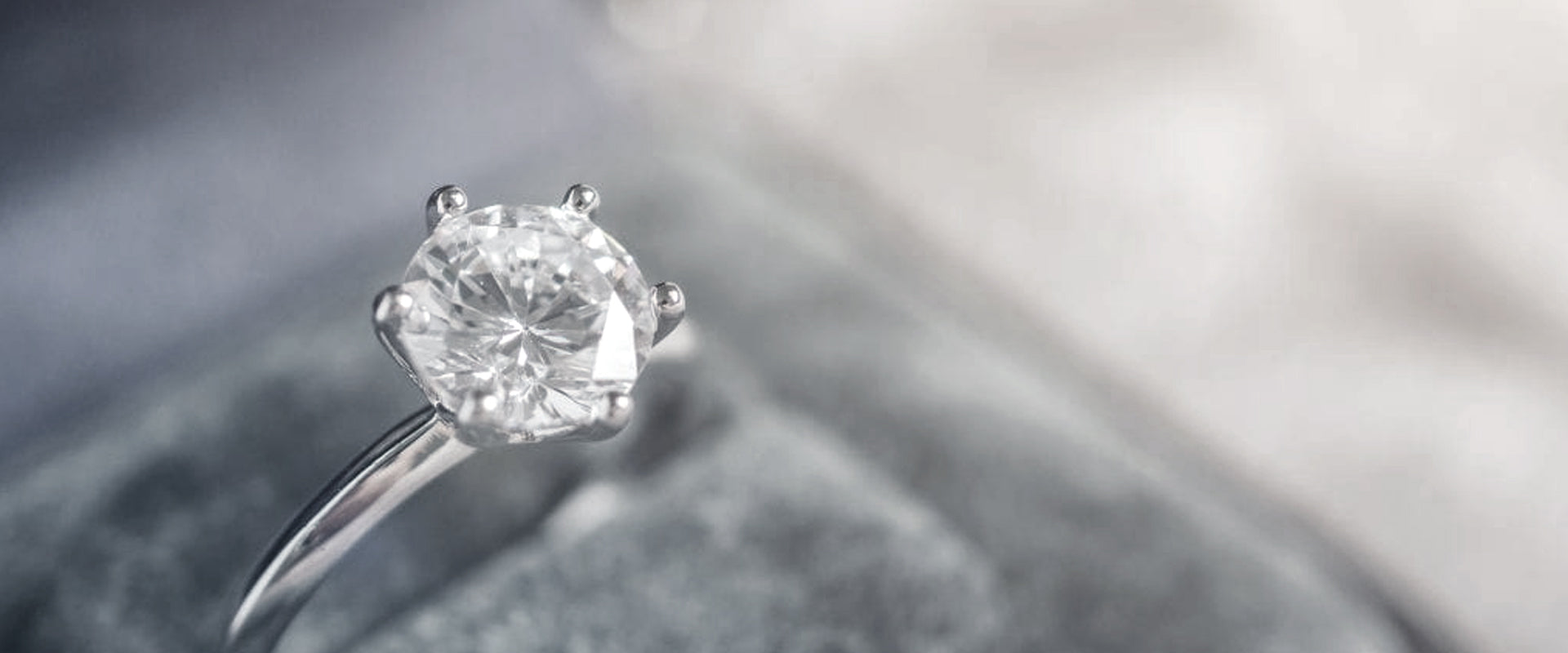
Platinum offers better protection for precious stones, which is why it represents the industry standard for setting a diamond (for example, a platinum crown ensures that a diamond will be securely fixed and held in place).
Thus, the strength and longevity of platinum make it possible for jewelry to be passed down from generation to generation, extending the lifespan of a precious stone and can also transform an antique piece into something completely new.
Platinum is a rare metal
Platinum is 30 times rarer than gold. If all the platinum ever mined were melted down and poured into an Olympic-sized swimming pool, the platinum would barely reach the ankles. In contrast, gold would fill three entire pools.
Platinum is a pure hypoallergenic metal
It is recommended to choose platinum with a purity of 90-95%. This composition is also an excellent choice for those with sensitive skin or allergies to other metals, such as gold. Purity is marked by “PT 900” – when the purity is 90% platinum and 10% other metals, and by “PT 950” – for 95% purity.
Platinum has a natural white color and enhances the brilliance of diamonds.
Platinum is a naturally white precious metal. White gold, on the other hand, is actually yellow gold that has been mixed with other metals and then plated with rhodium - a white mask that will reveal a yellow hue over time and will require refurbishment to maintain its color. Platinum, on the other hand, will naturally retain its white color.
The true whiteness of platinum accentuates the brilliance of precious stones. From rubies and emeralds to sapphires, colored gemstones appear more vibrant when set in platinum. This makes platinum the ideal metal for securing diamonds in engagement rings, wedding bands, and other fine jewelry.
Platinum enjoys all the aforementioned advantages, but processing this precious metal is more difficult, and scratches on platinum are more visible compared to those on gold. Additionally, you should keep in mind that platinum jewelry has a higher cost compared to white gold jewelry because the processing is more challenging.