

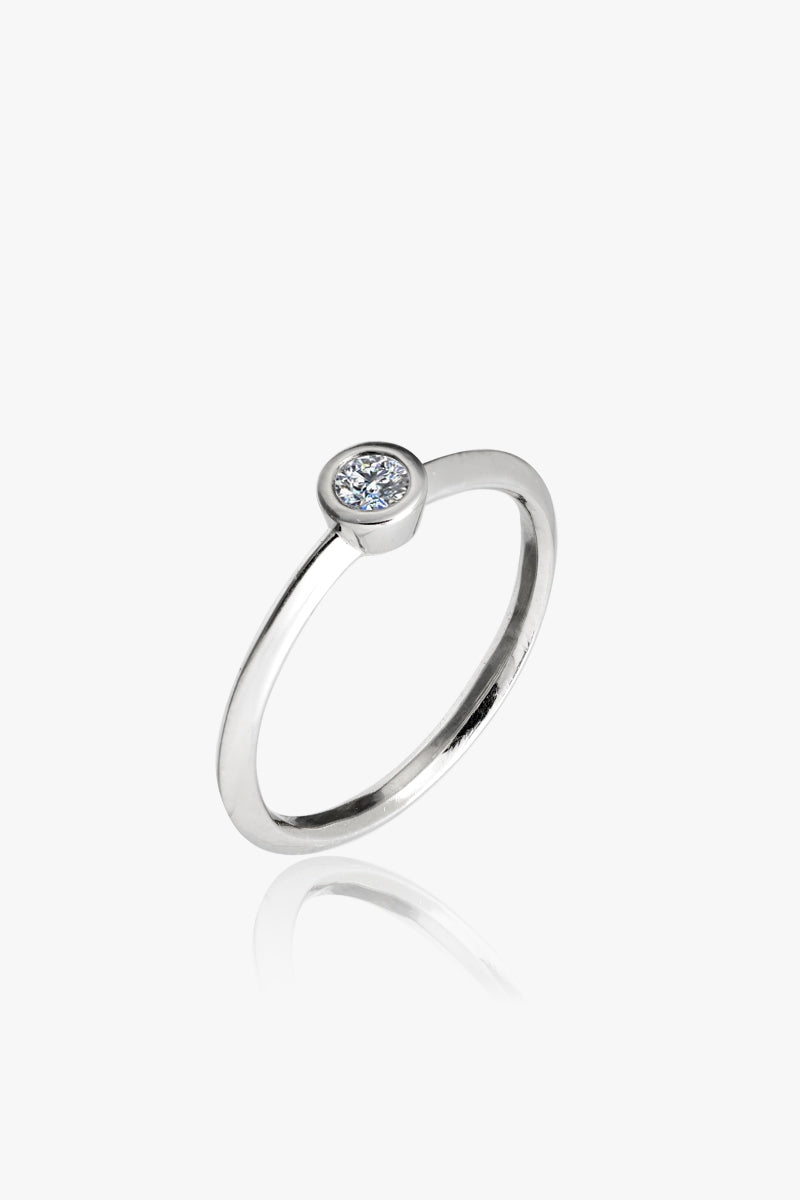
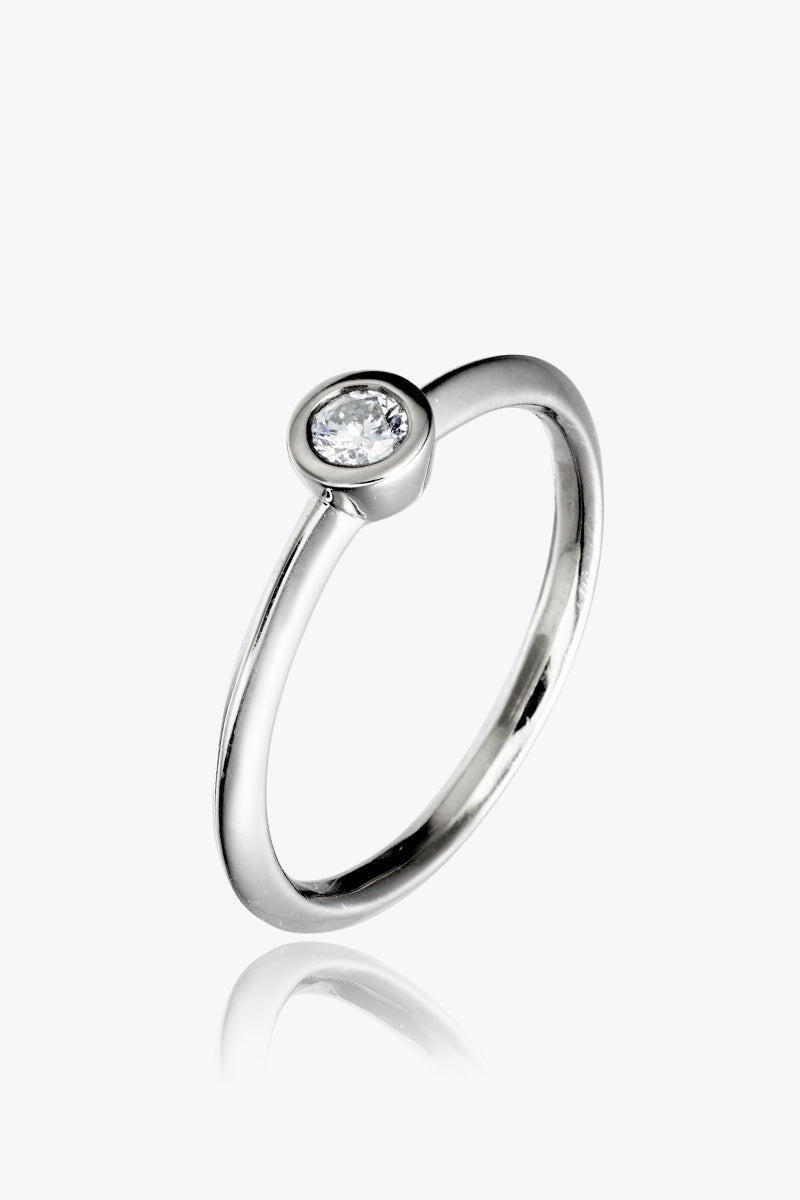
Solitaire
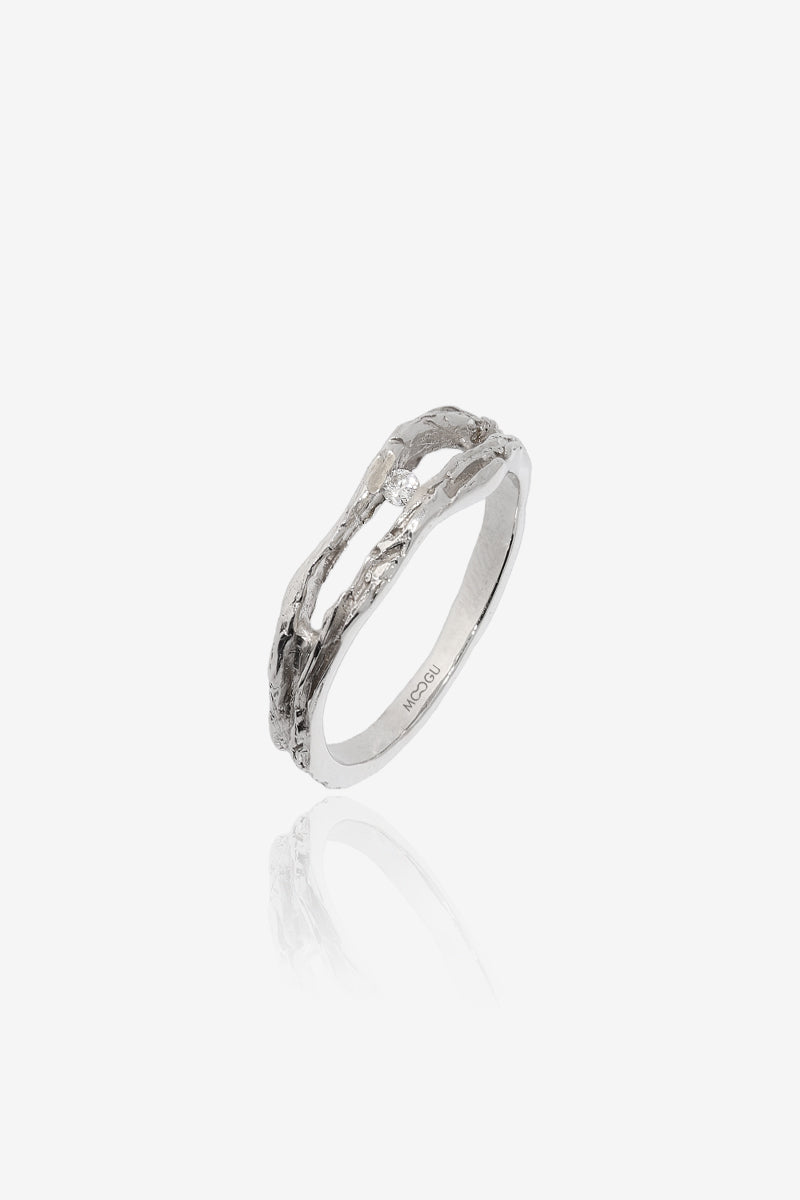
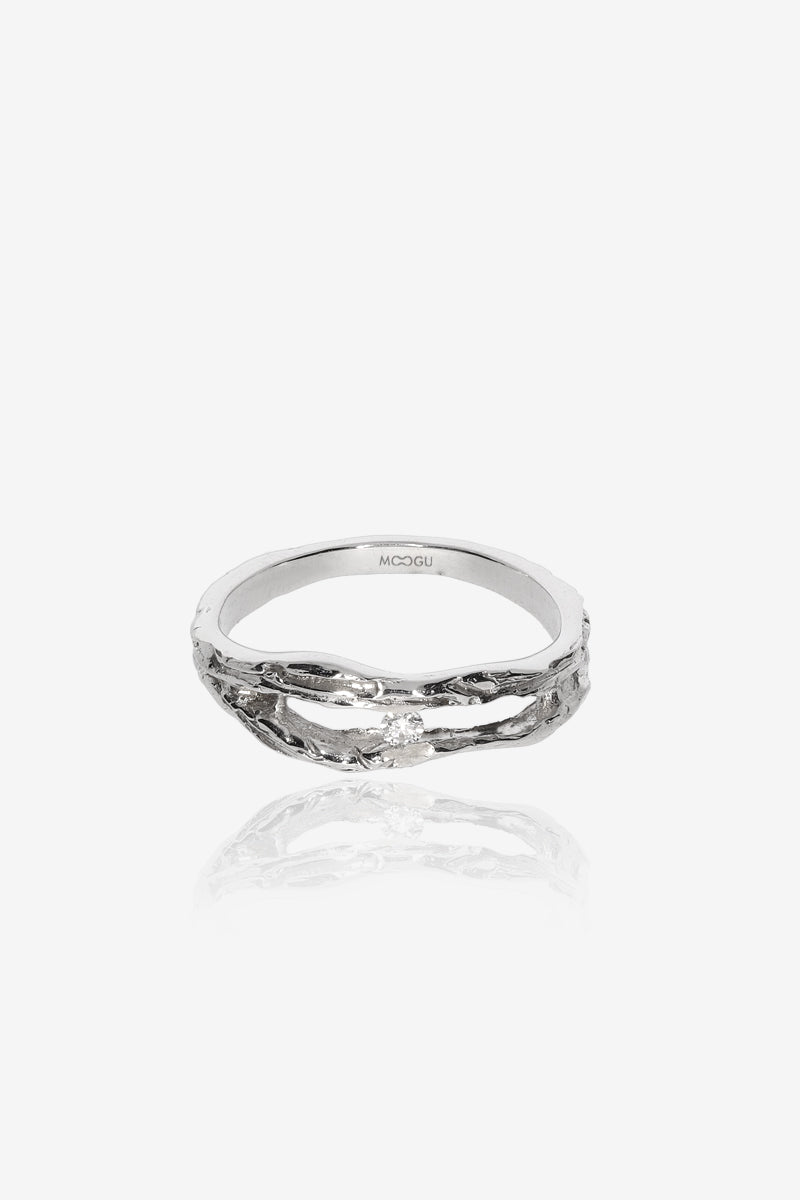
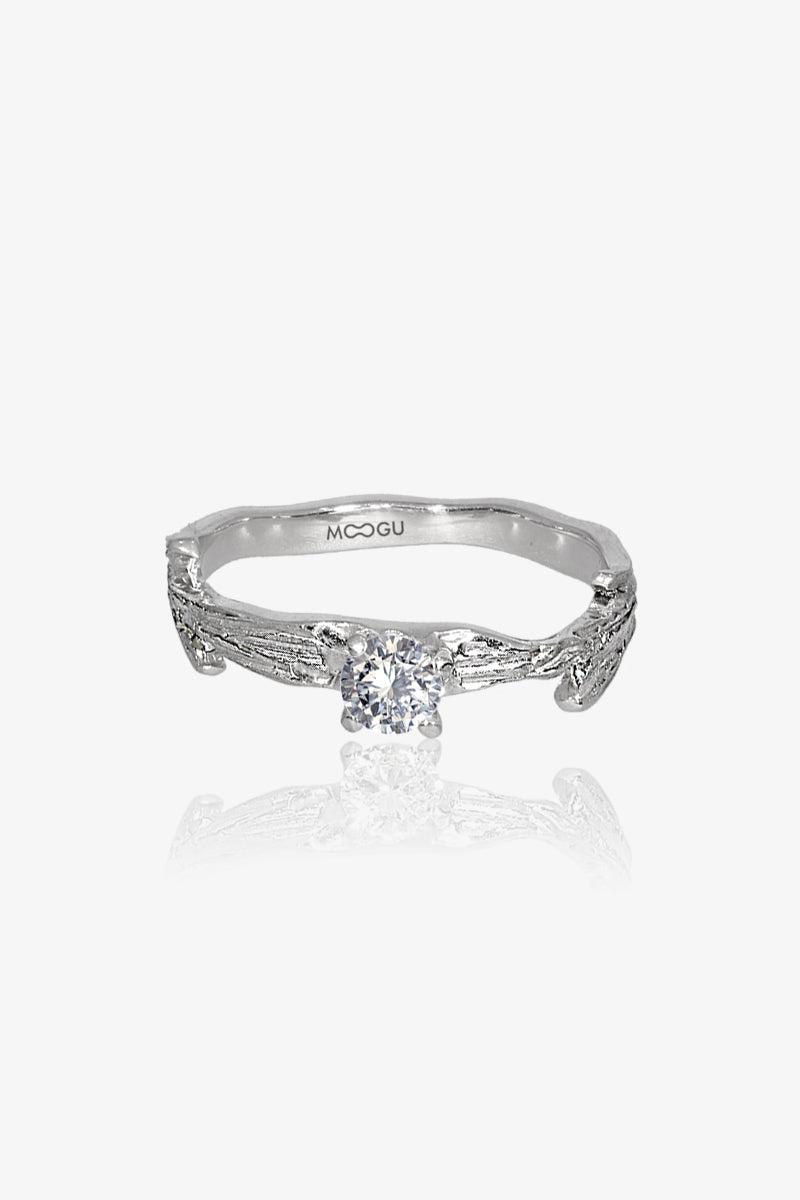
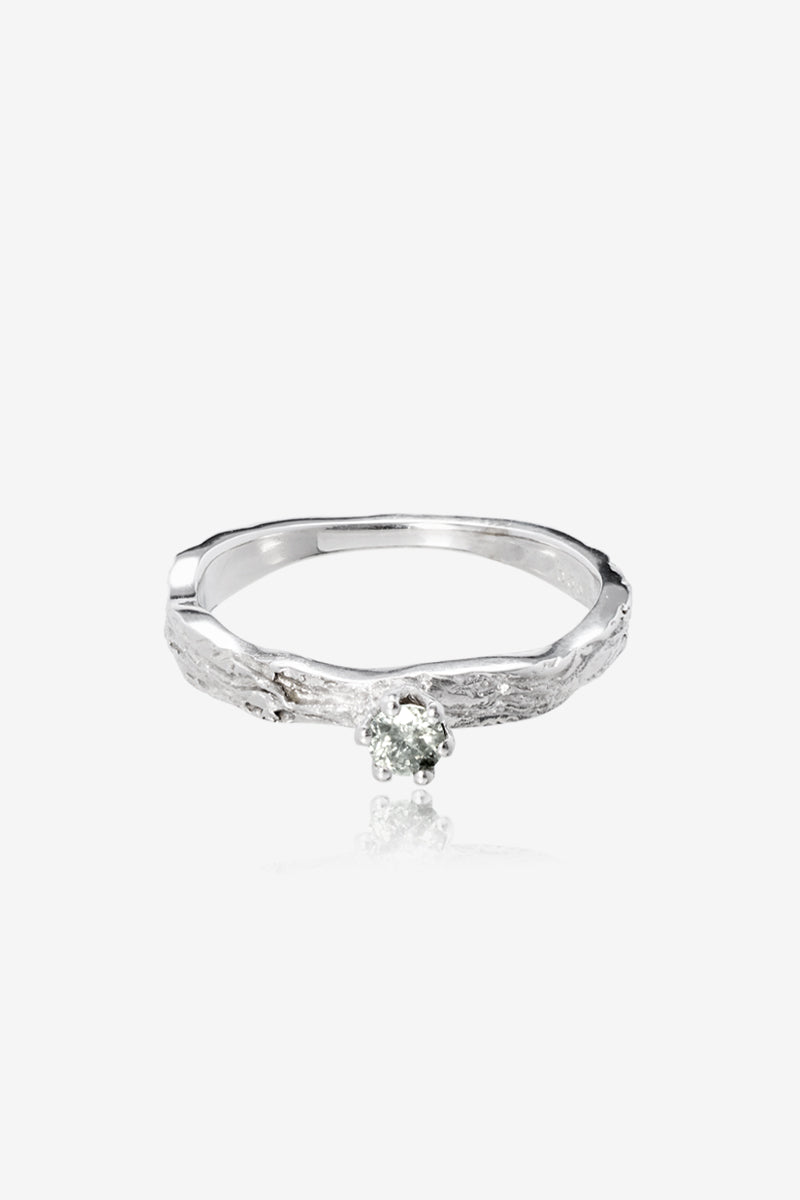
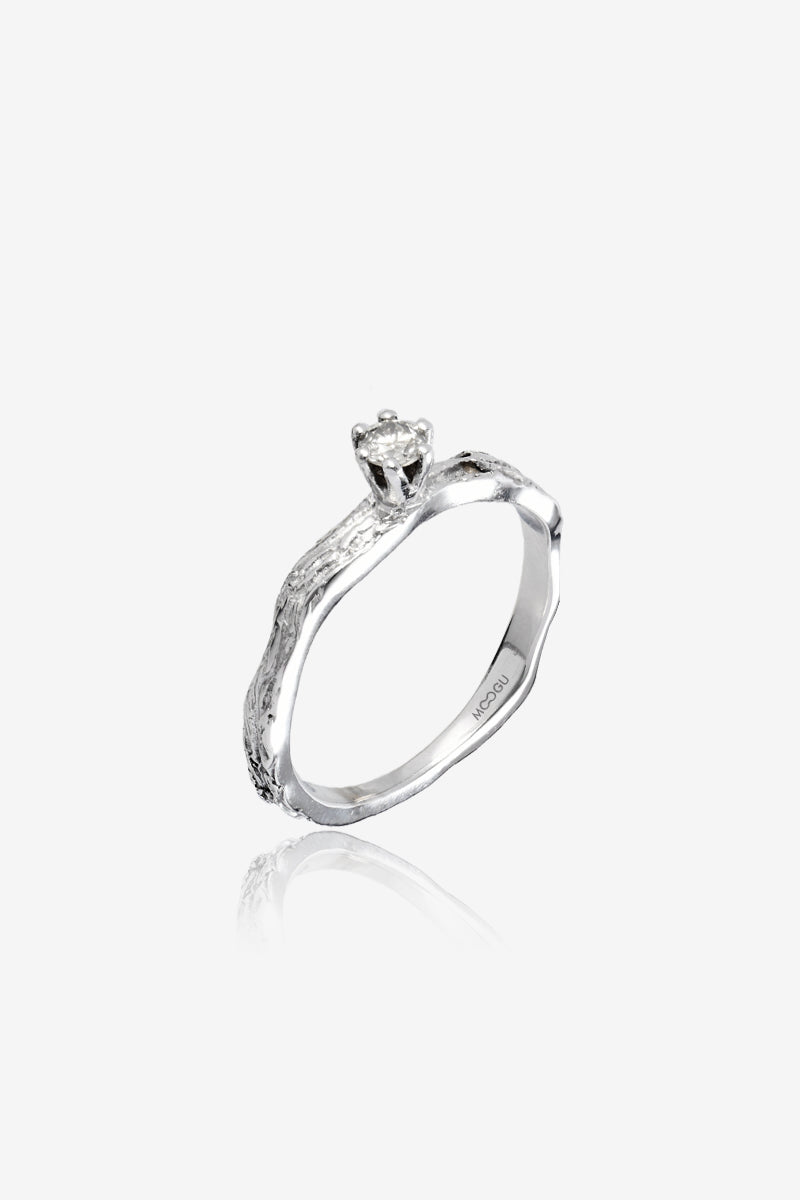
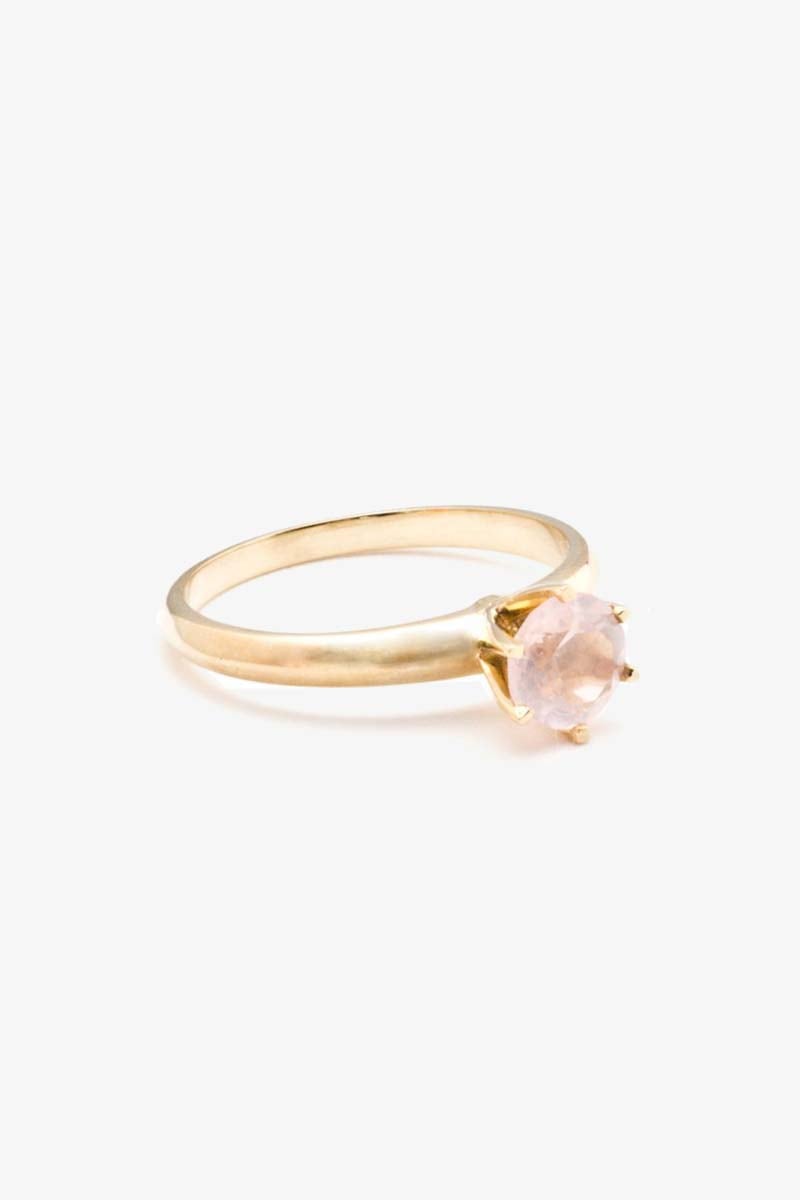
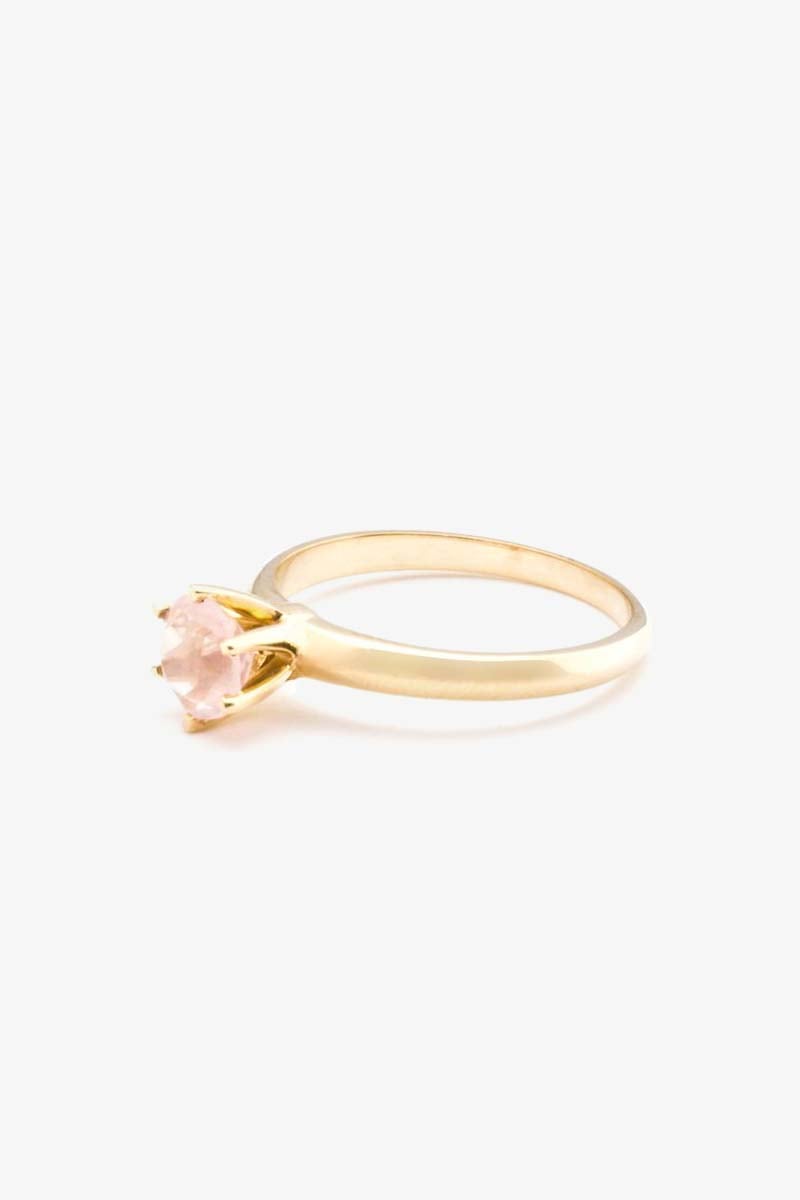
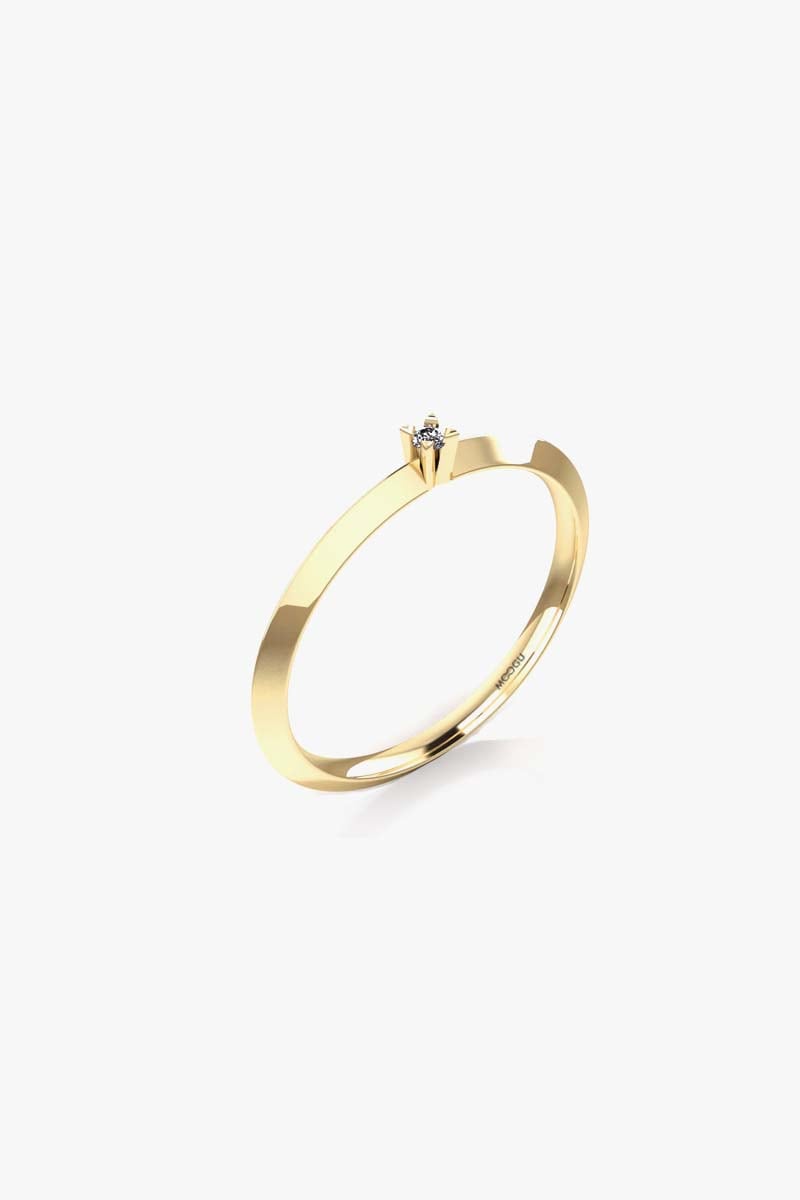
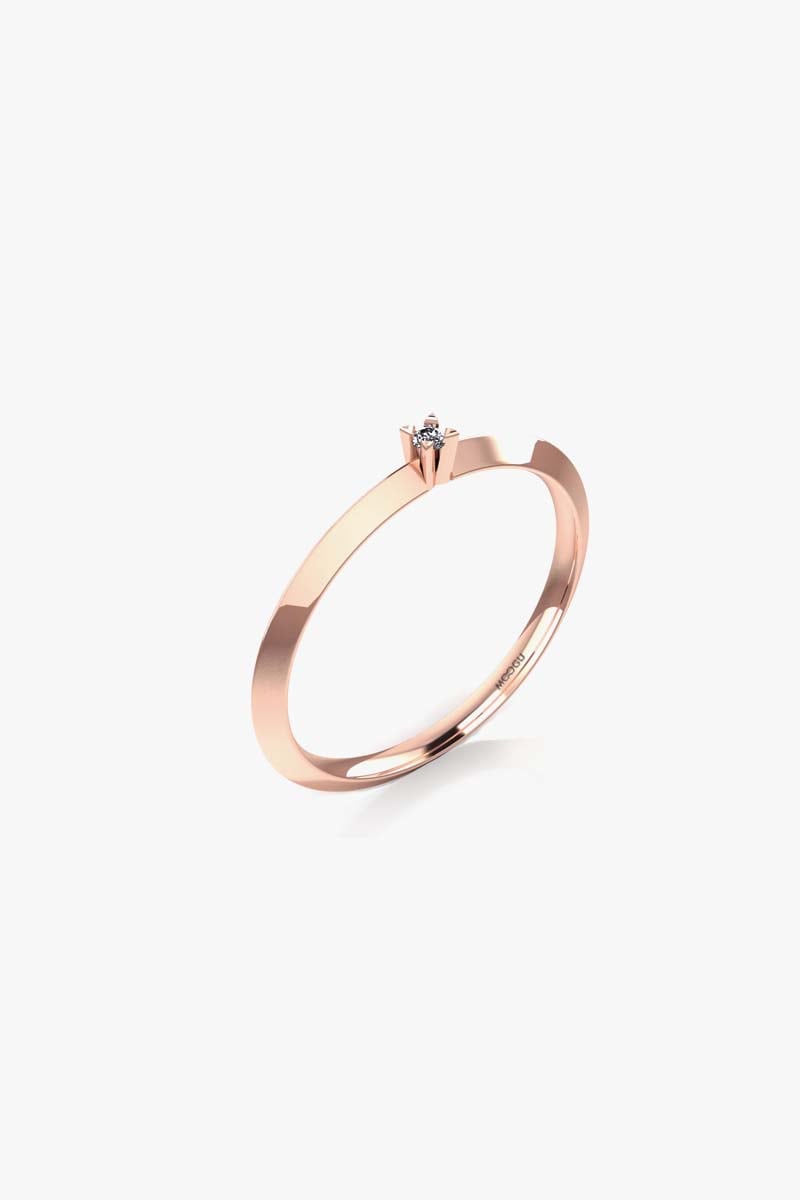
Three stones or more
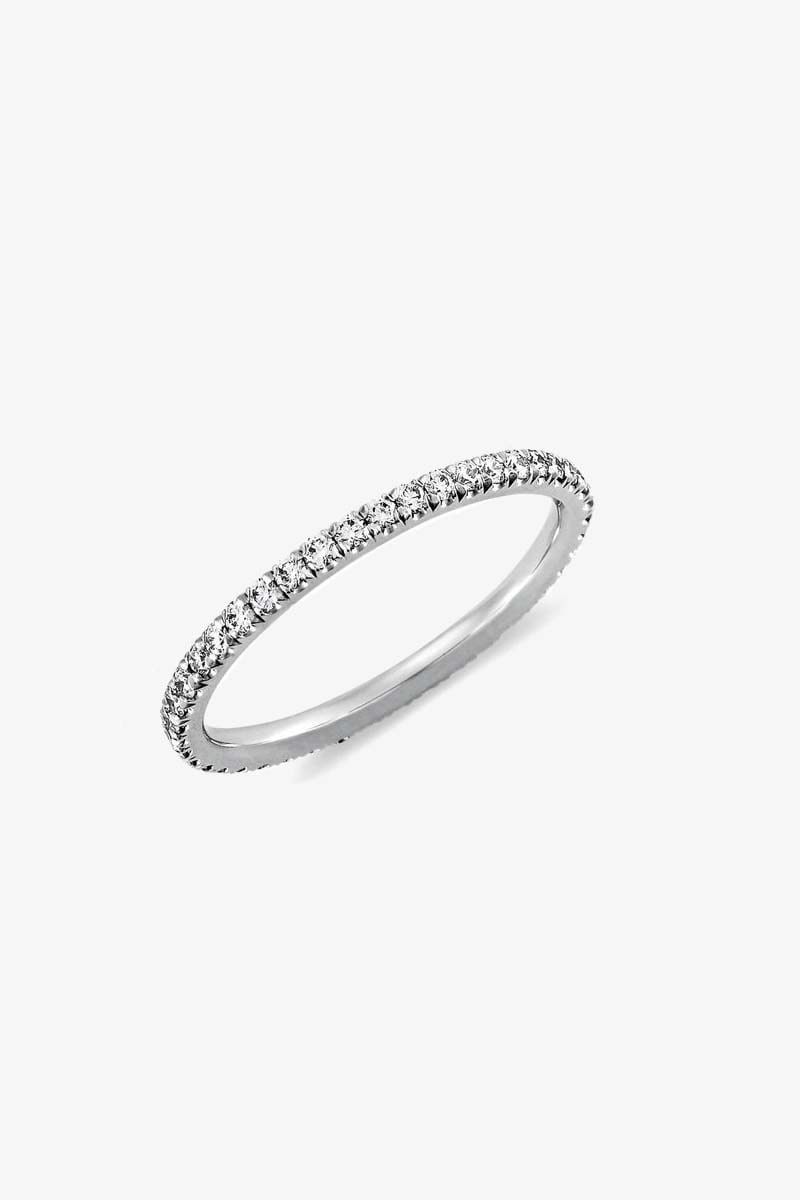
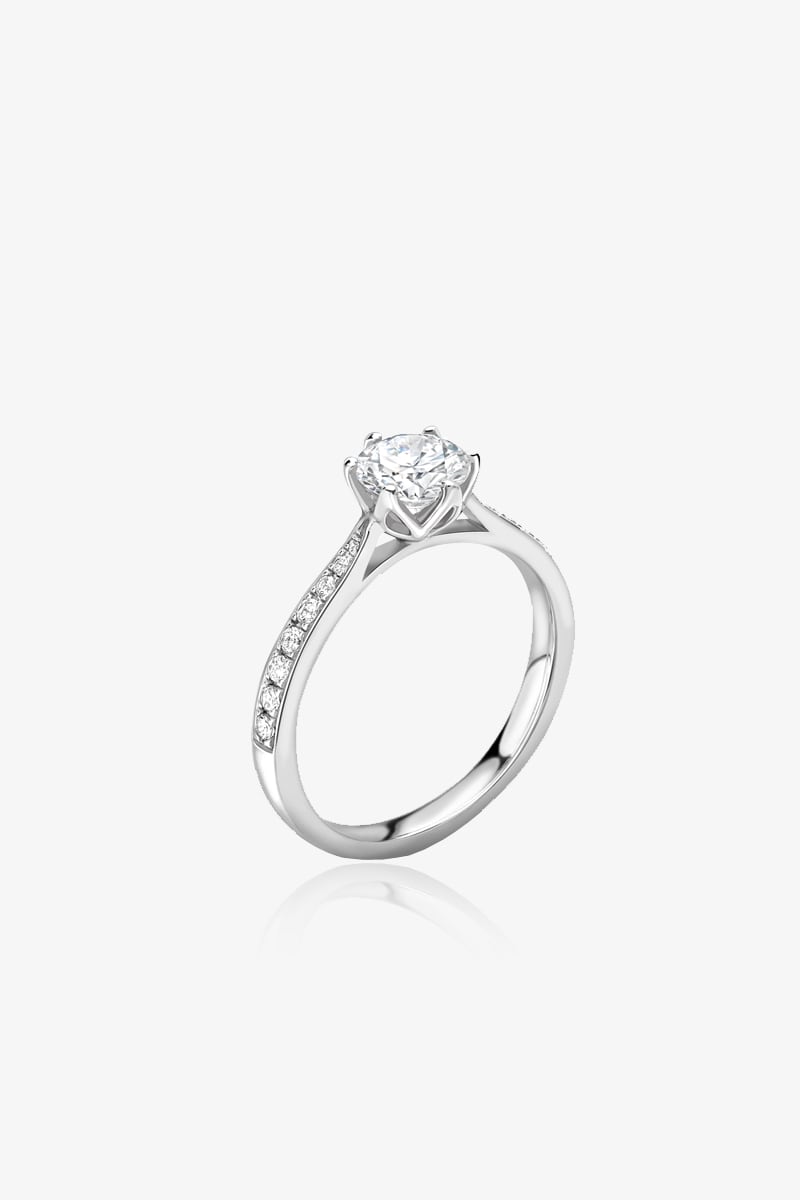
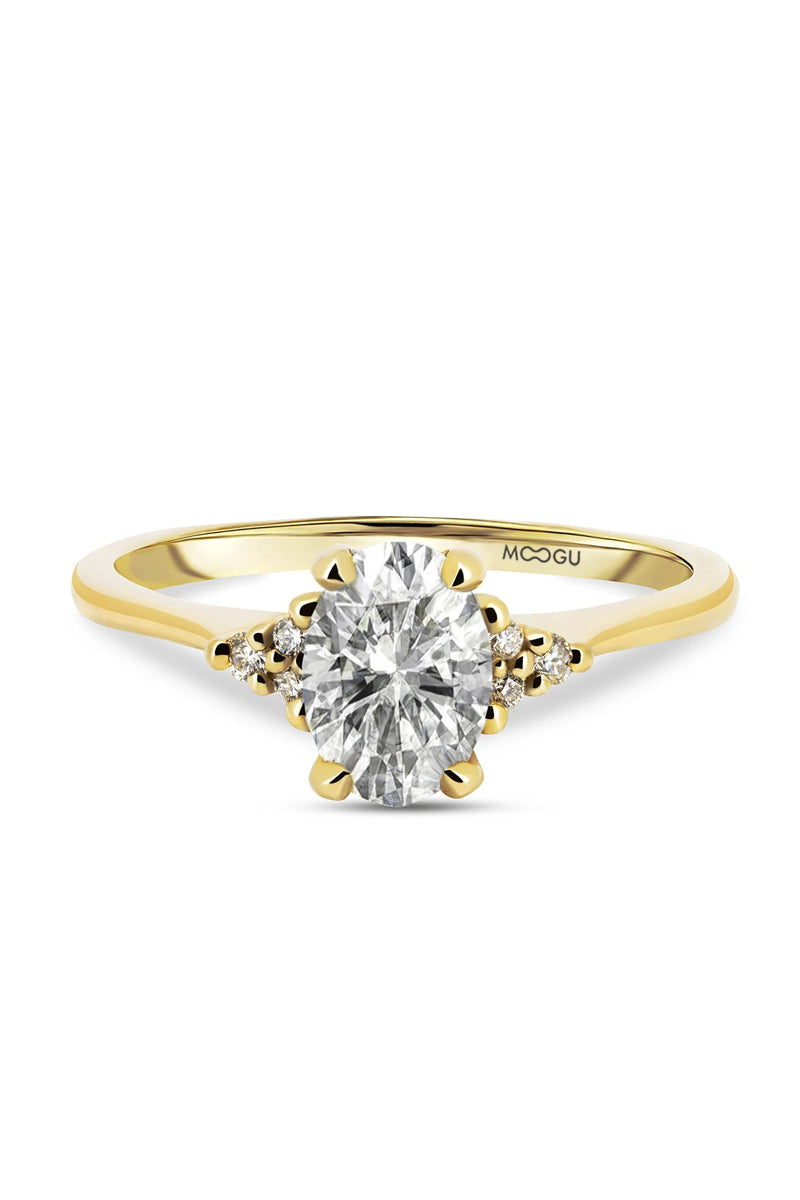
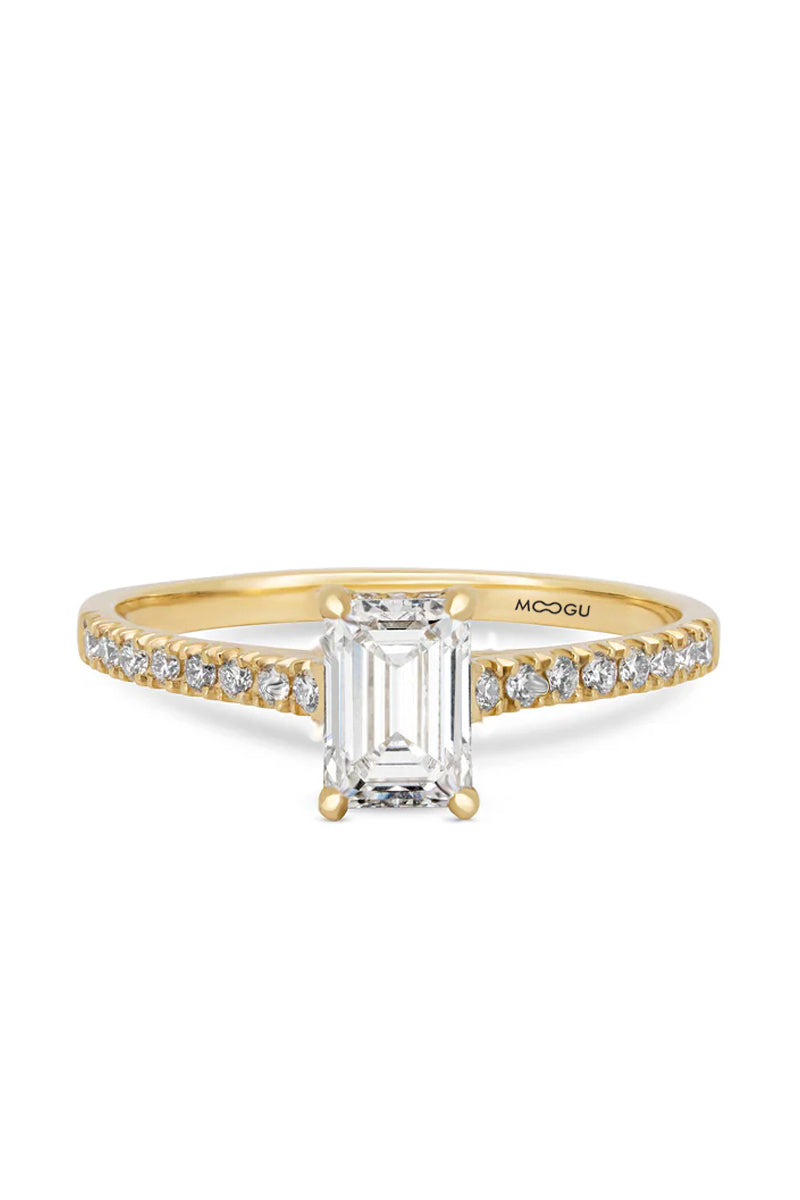
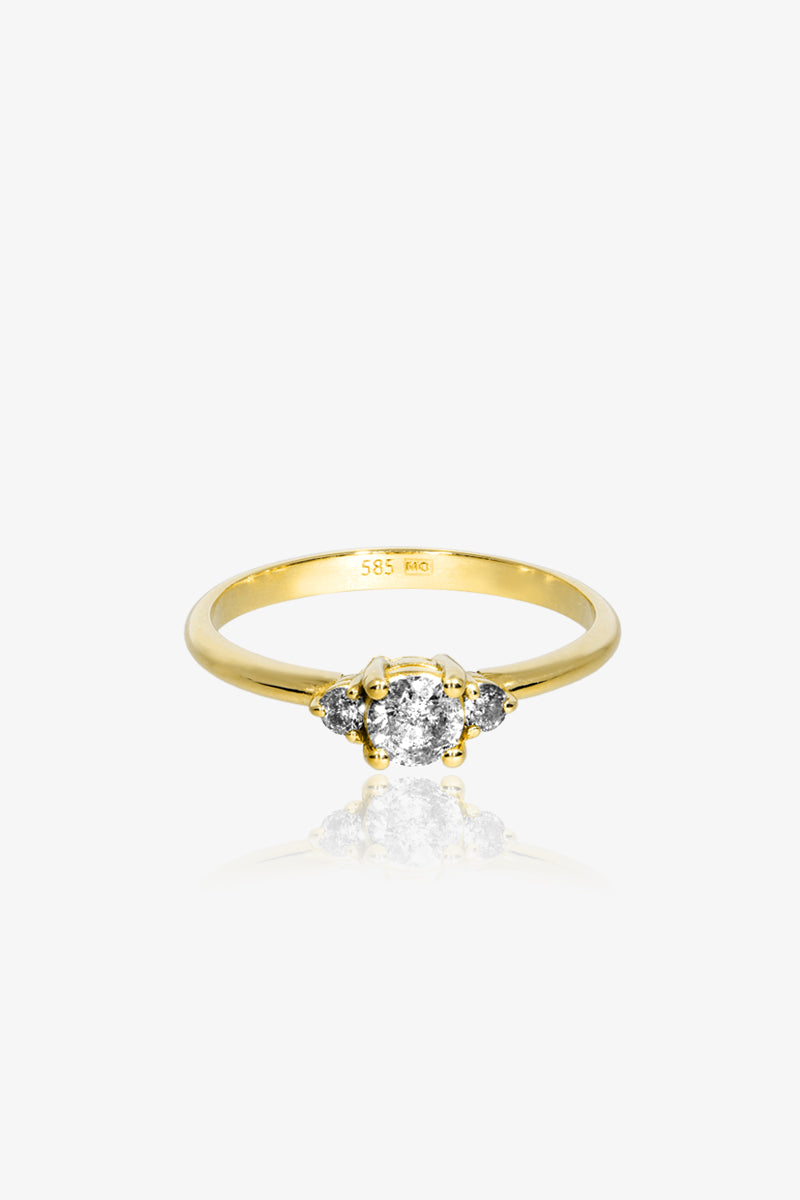
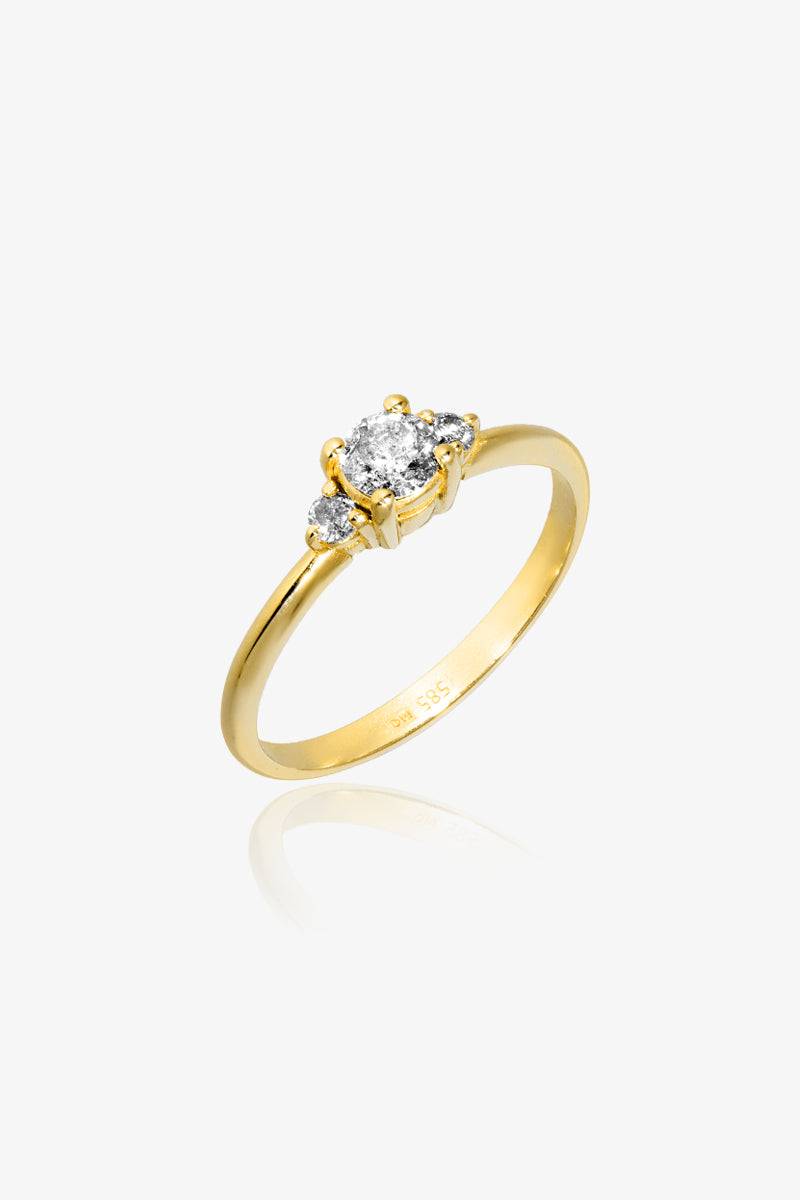
Be different, be unique
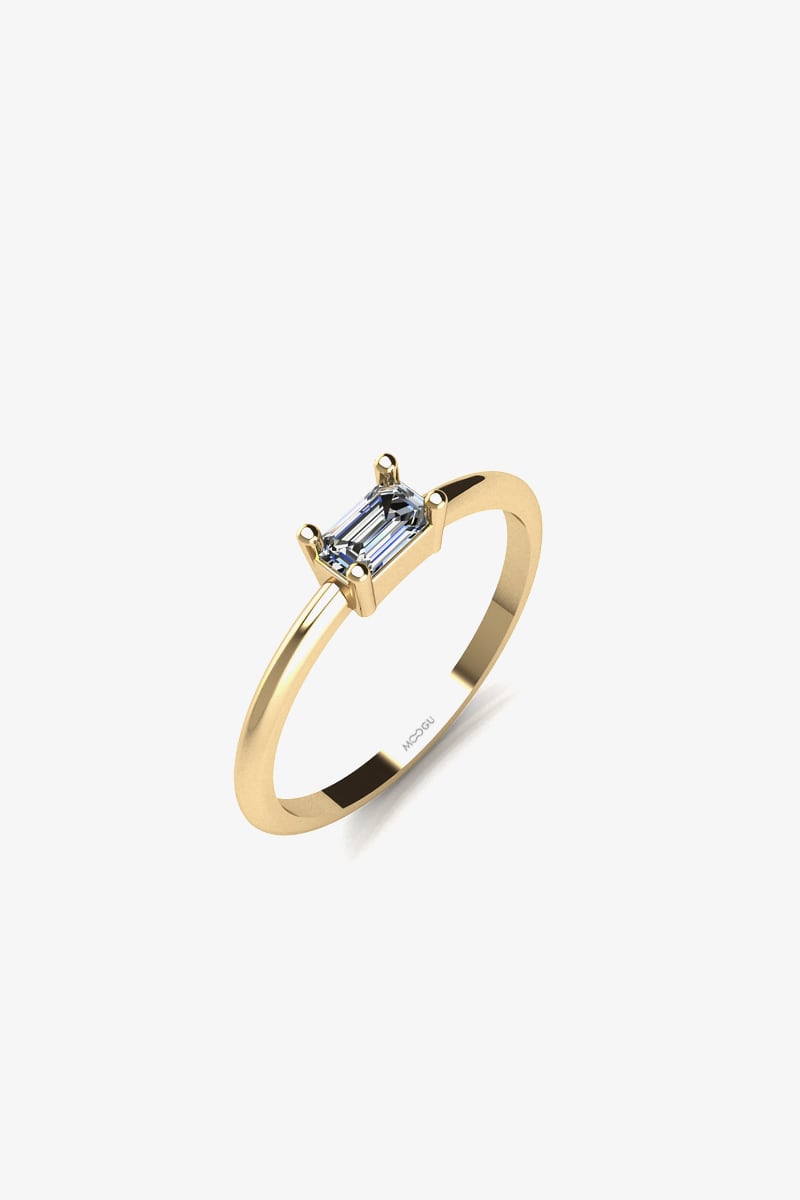
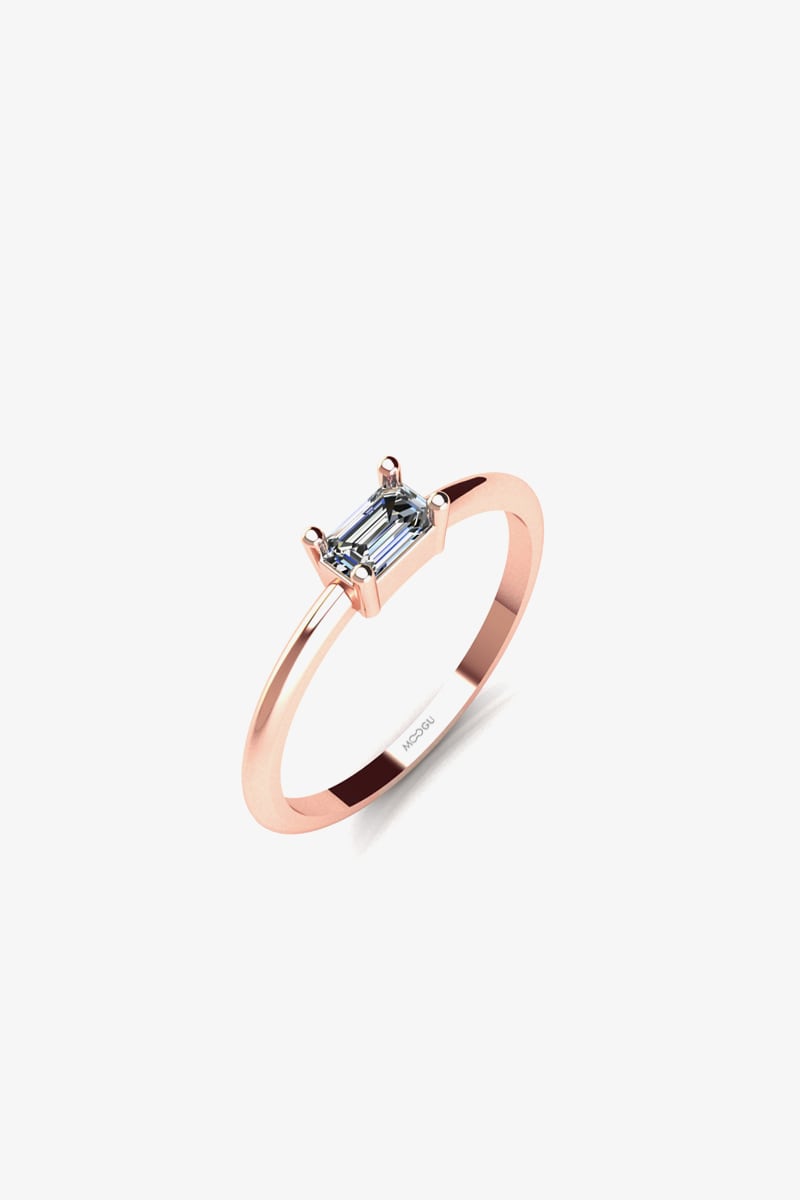
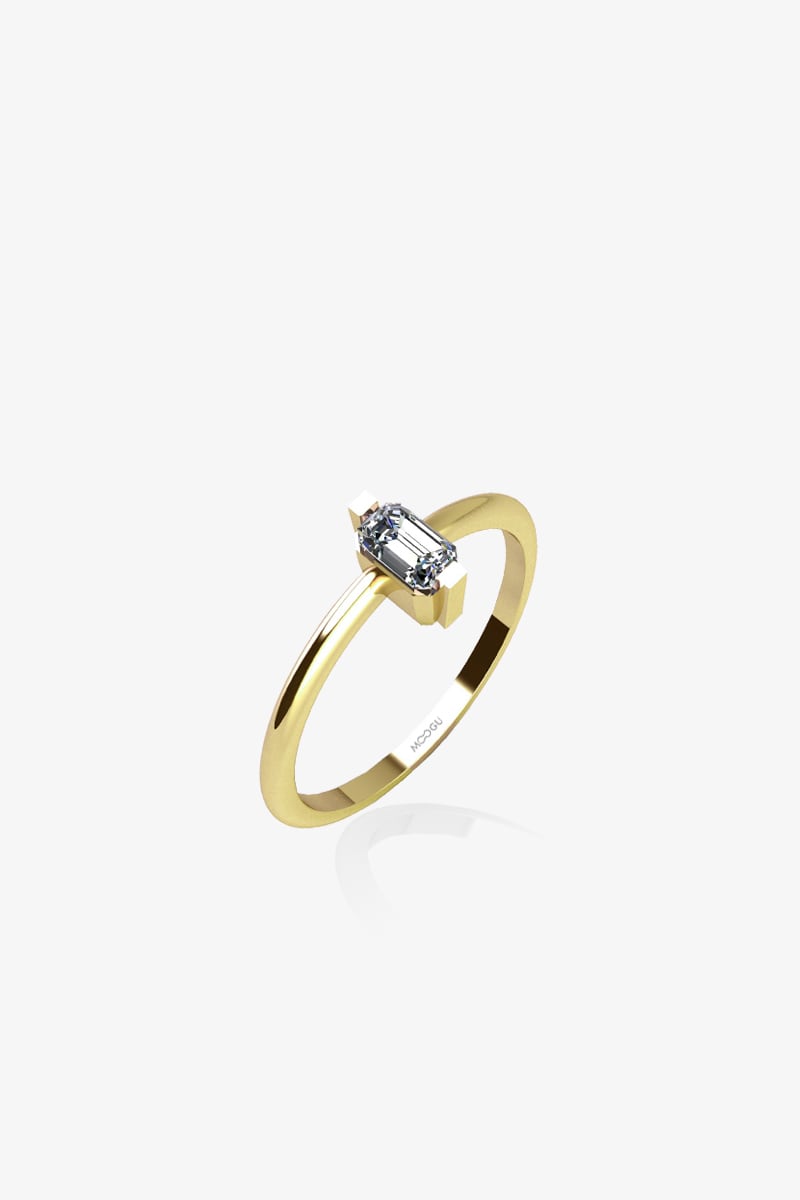
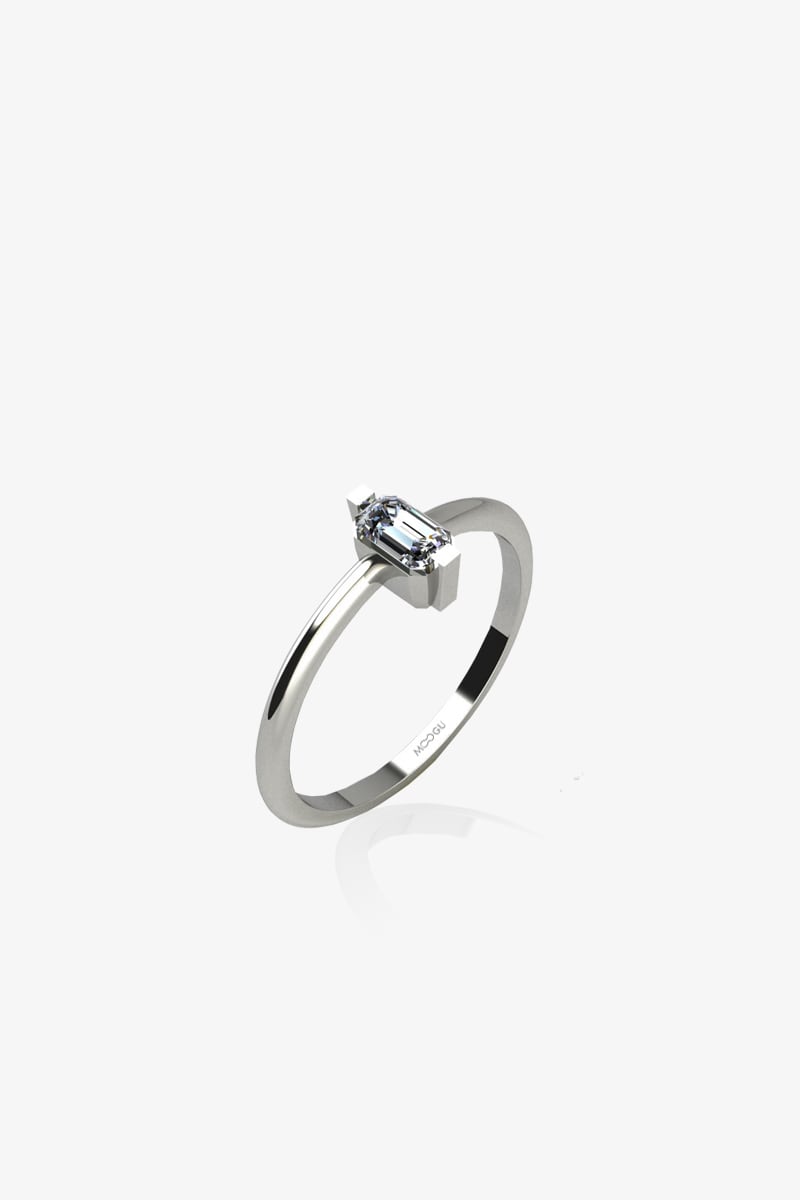
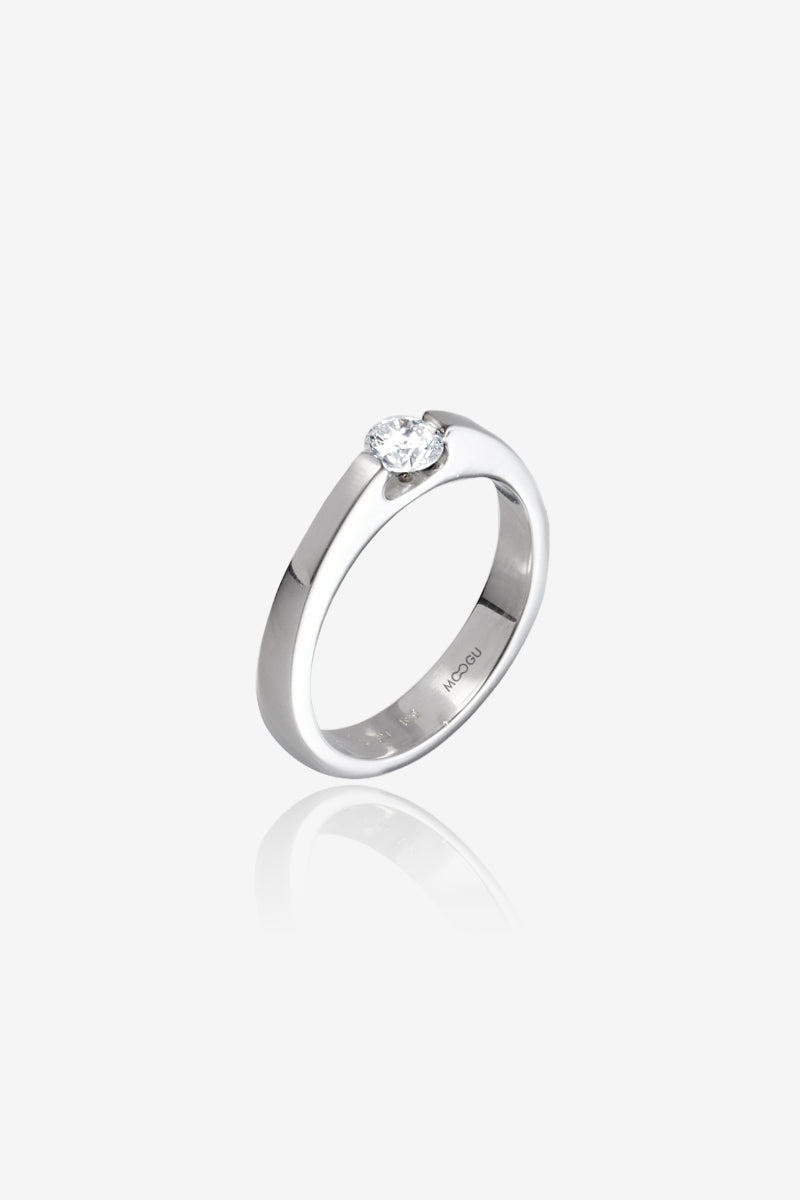
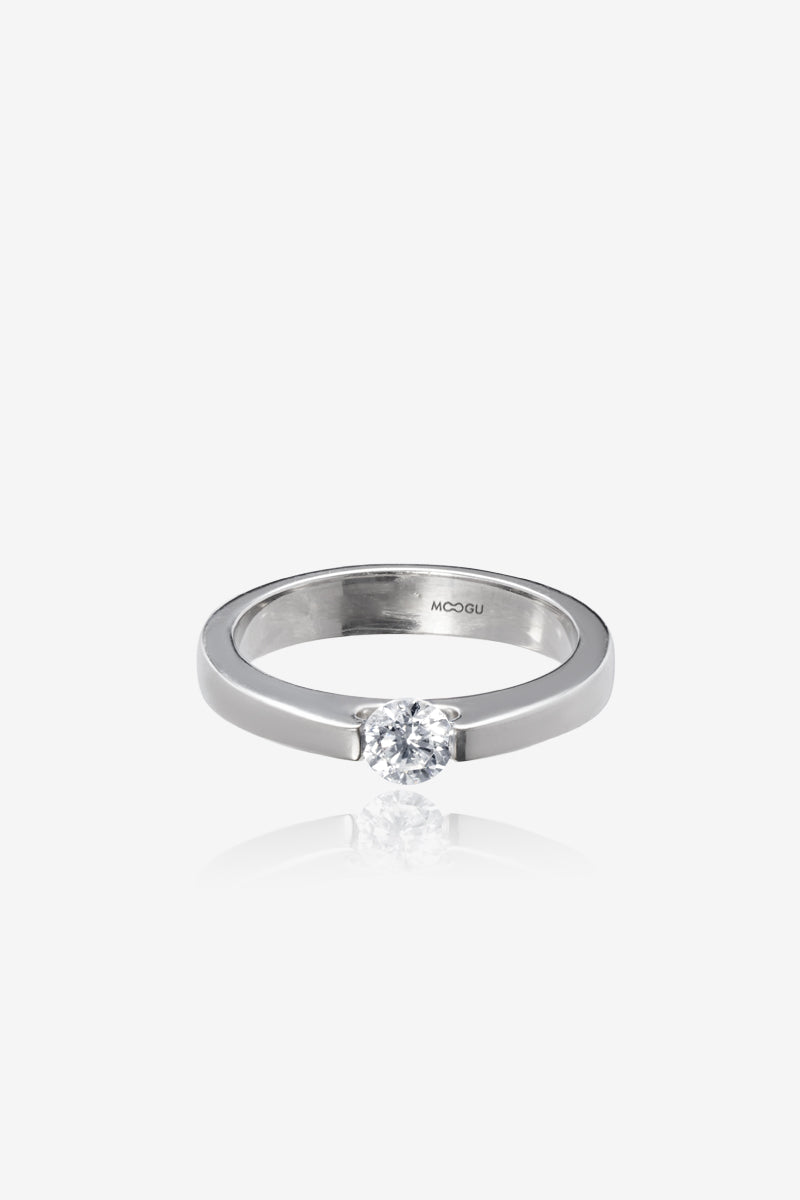
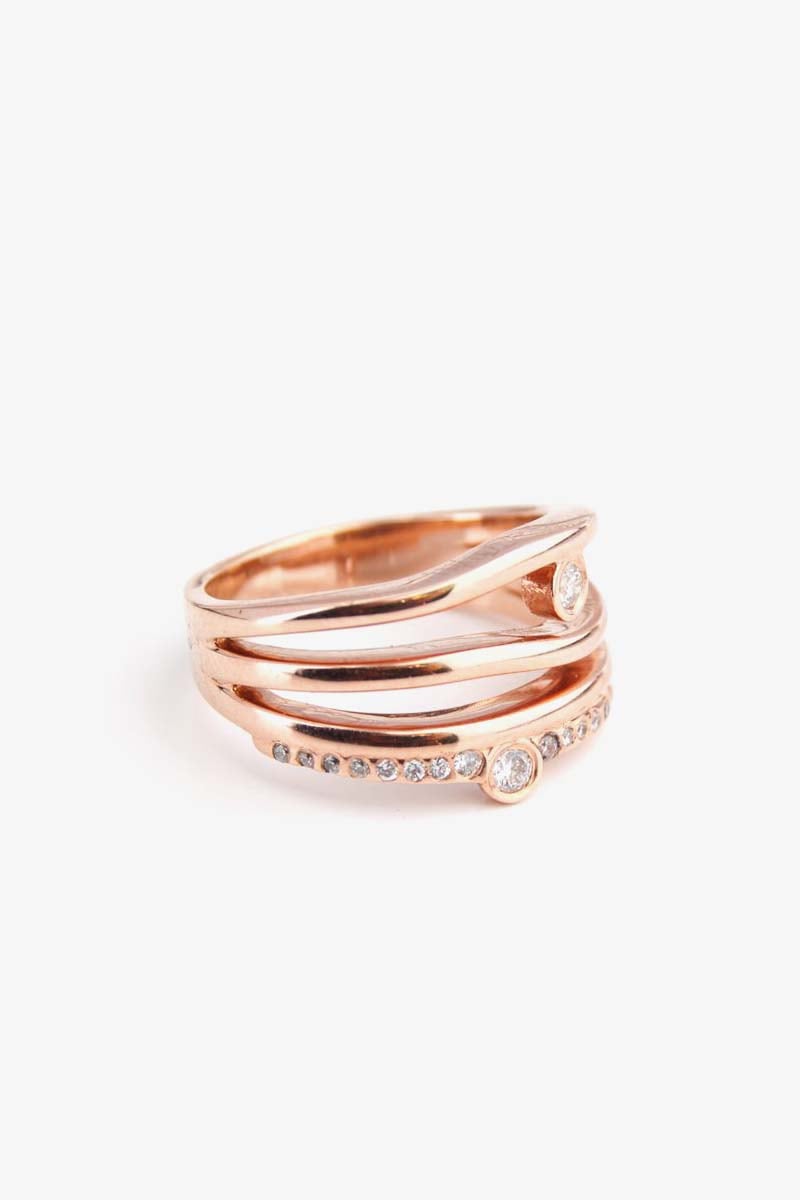
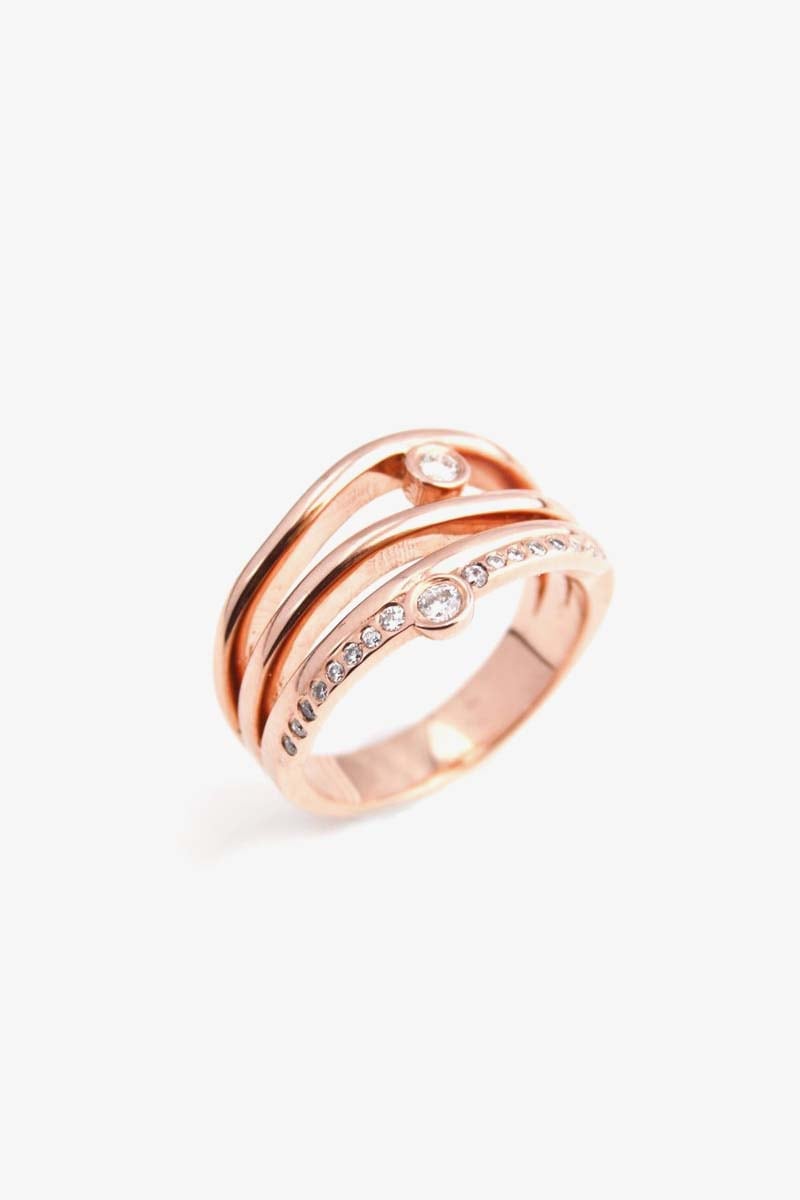
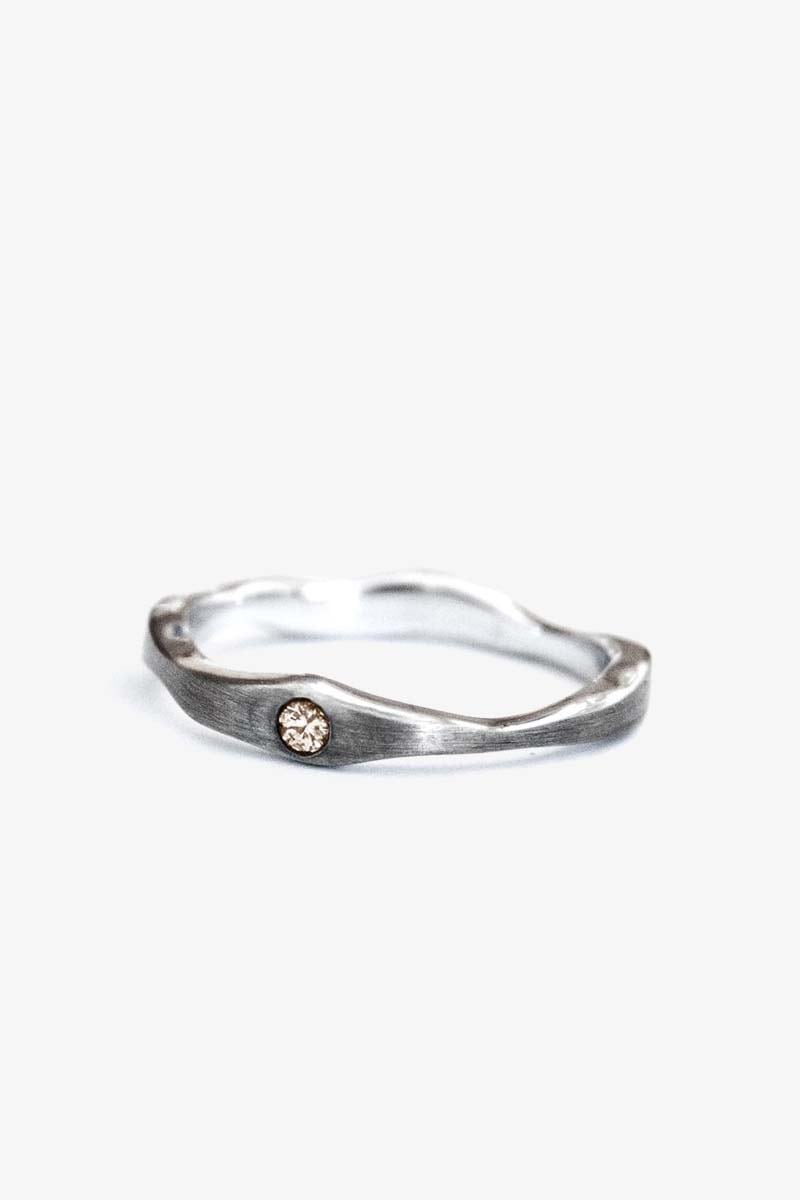
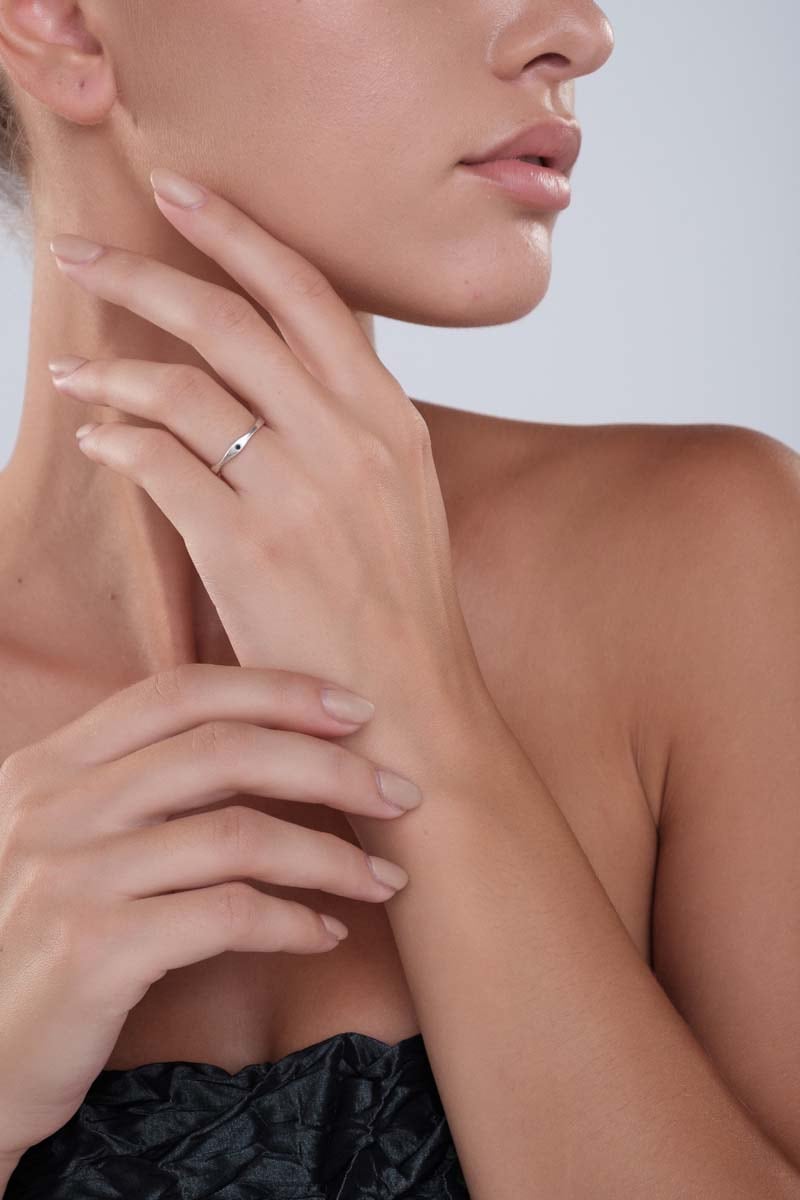
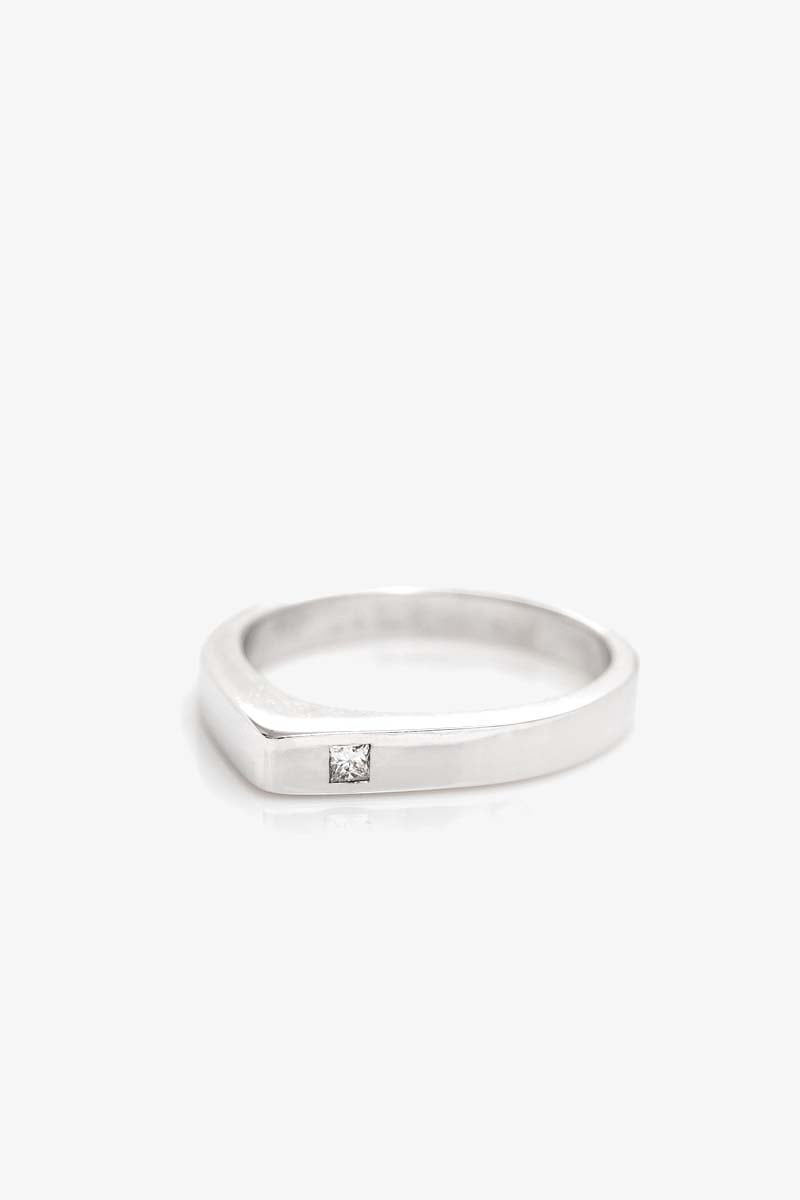
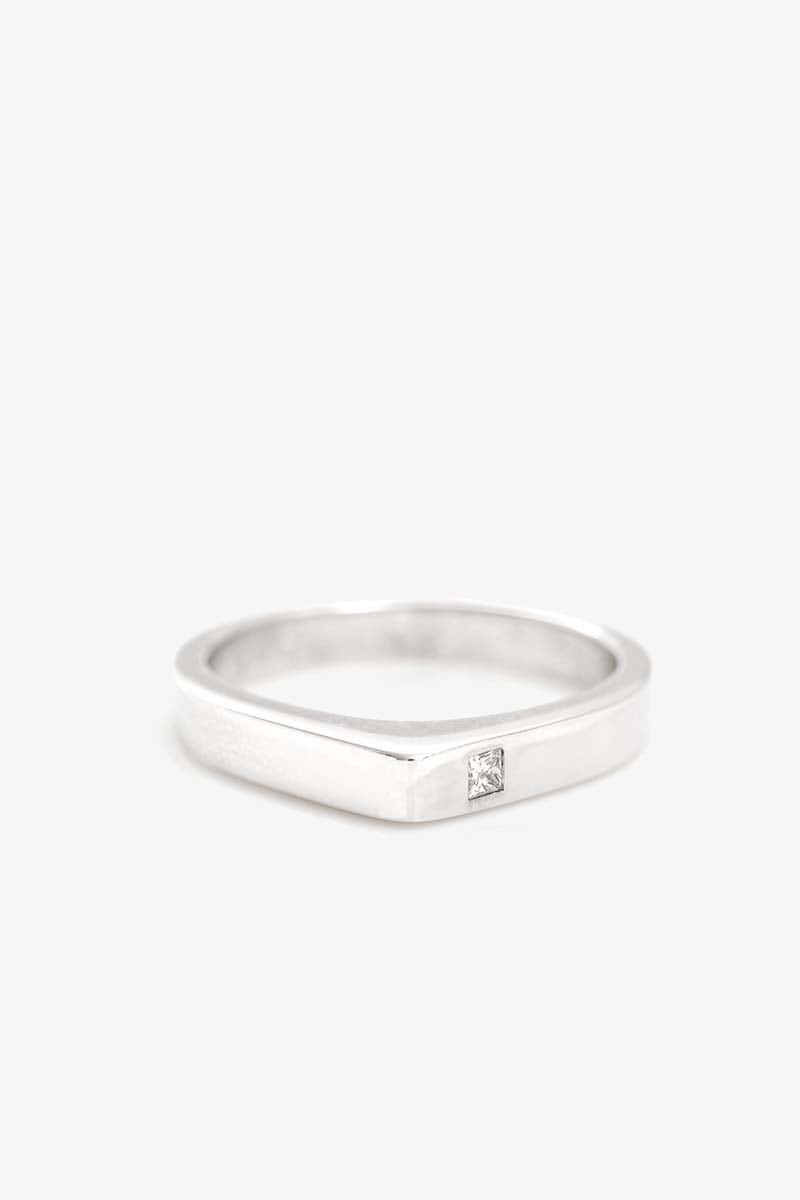
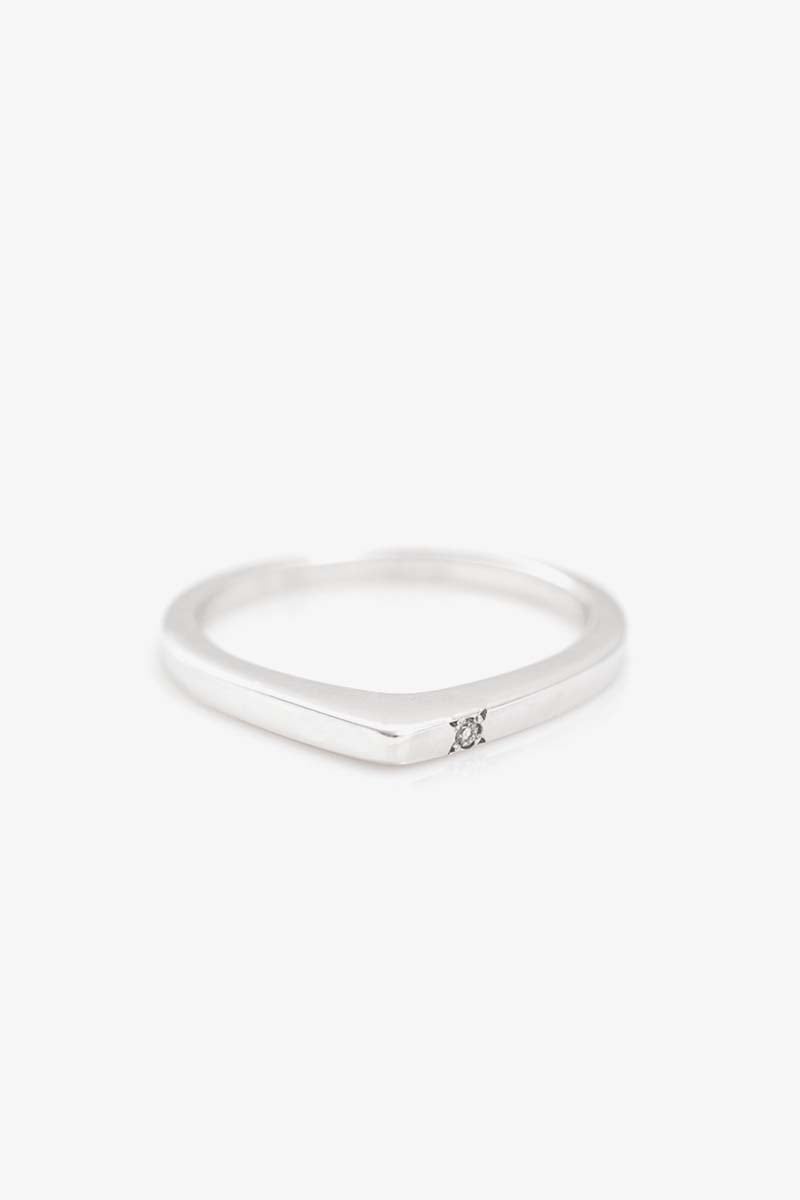
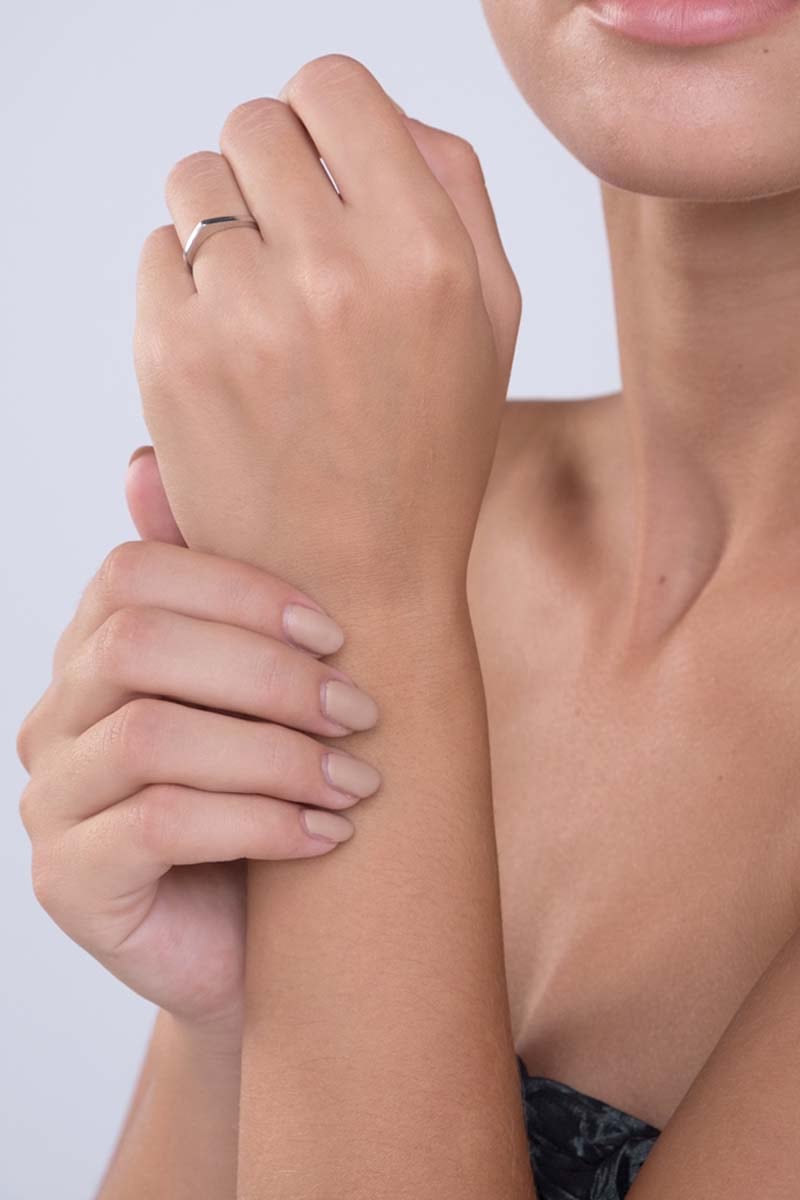
The MOOGU Guide - Choose the perfect engagement ring
By signing up for this email list, you subscribe to our newsletter. We know how crowded your inbox can get, so you can unsubscribe at any time. By signing up, you agree to the Privacy Policy


Frequently Asked Questions
Traditionally, it is said that you should spend the equivalent of two monthly salaries on an engagement ring. At MOOGU, we believe you should spend only what feels right for you and your partner. The price paid for an engagement ring in Romania is between €1000 - €2000. Ultimately, the engagement ring is a personal statement of your love and commitment to each other. Our best advice is to set your budget and trust your heart; the perfect engagement ring will reflect your unique story, making it seem priceless, regardless of the cost.
The choice of metal for an engagement ring is a deeply personal decision, so the real answer is that engagement rings should be made from the metal that she likes to wear the most. If she doesn't usually wear jewelry or has no preference for metals, the next question is what her daily lifestyle looks like. Some metals are more durable than others, so it's important to consider how "hard" she will be on her rings, but also any allergies to certain metals, to avoid irritation or discomfort.
The next thing to consider is the long-term maintenance required. All metals require care, but some need regular maintenance to keep their color or shine. Softer metals, such as silver, are not suitable for lifetime wear as they can wear down over time, while others, like titanium, are so hard that they cannot be resized.
Popular choices for engagement rings include yellow gold, with its warm and classic shine, or modern white gold or platinum, an excellent option valued for its durability and rarity. Each metal has its charm, and all will require maintenance throughout life, so consider what best fits your and your partner's preferences and lifestyle.
Finding your partner's ring size may seem like a little magical mission. The most important thing to remember is that the ring size is not the same as clothing size! Rings are measured in quarter-millimeter increments, and sizes can be indicated either by letters or by numbers. Often, the size measured by one jeweler may differ from that of another, as the tools used may come from different manufacturers.
That’s why we recommend first choosing the jeweler who will make the ring, and then determining the correct size together with them. If you want a "Cinderella" moment and a perfect fit, a good method is to borrow a ring that your partner wears on their ring finger (the finger next to the pinky). If they don’t wear rings on that finger, you can ask friends or family for help. For a more discreet approach, it’s advisable to choose a larger size to ensure that the ring will fit on the big day.
At MOOGU, we offer free resizing for any engagement ring as part of the purchase. We also provide a helpful Size Guide solution that helps you find the right size from the comfort of your home.
Color, Clarity, Cut, and Carat are the 4 Cs of diamonds. Understanding how these four factors influence the beauty, rarity, and value of a diamond will help you make an informed decision, ensuring that your engagement ring is as valuable as it is meaningful.
created in a laboratory. Natural diamonds, formed over billions of years, carry a legacy of timeless beauty, each being unique in its journey from the depths of the earth to you. Laboratory-created diamonds, on the other hand, are made through advanced technology that replicates the natural formation process, being identical to natural ones in every way.
It is not possible to tell the difference between a natural diamond and a laboratory-created one, unless the natural diamond has fluorescence (and not all do). The difference lies in origin: natural diamonds are a miracle of nature, while laboratory ones are an achievement of human ingenuity. Both are beautiful choices for engagement rings.
The choice of the perfect diamond shape depends on the style and personality of your partner. At Chupi, we appreciate the diversity of each shape. The classic Round Brilliant cut is loved for its timeless brilliance. If you prefer something modern, the Princess or Emerald cuts, with clear geometric lines, can be the ideal choice.
For a vintage style, the Cushion or Radiant cuts offer a romantic air. The Oval and Marquise shapes have an elegant and elongated presence on the hand. In the end, the best choice is the one that reflects your personal style and your story.
At Moogu, each engagement ring is custom-made, tailored to the client's measurements and specifications, making it a unique piece, created on special order.
For this reason, engagement rings cannot be returned or exchanged, as they are customized products.
Our team is always available for any questions before confirming the order, to ensure that the final result is exactly as you wish.
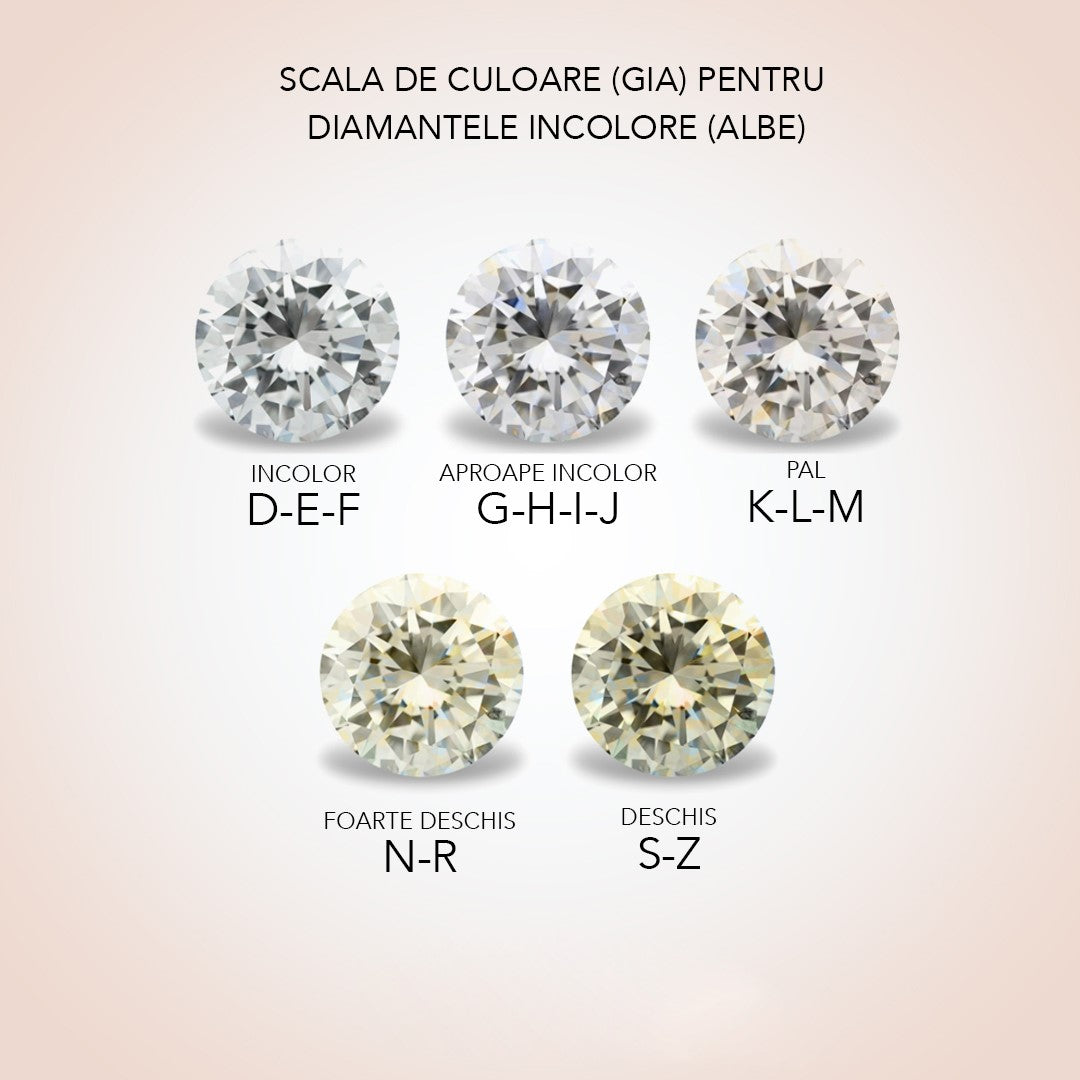
The color scale of diamonds
The GIA color scale for diamonds is a classification system that evaluates the color hues of diamonds, from the purest and colorless to slightly visible shades of yellow or brown. This scale starts with diamonds categorized as "Colorless" (D), which are the rarest and most precious, and continues to diamonds with more pronounced color hues, such as those in the "Light Yellow" (Z) category. Accurate color assessment is crucial for determining the value and beauty of a diamond.
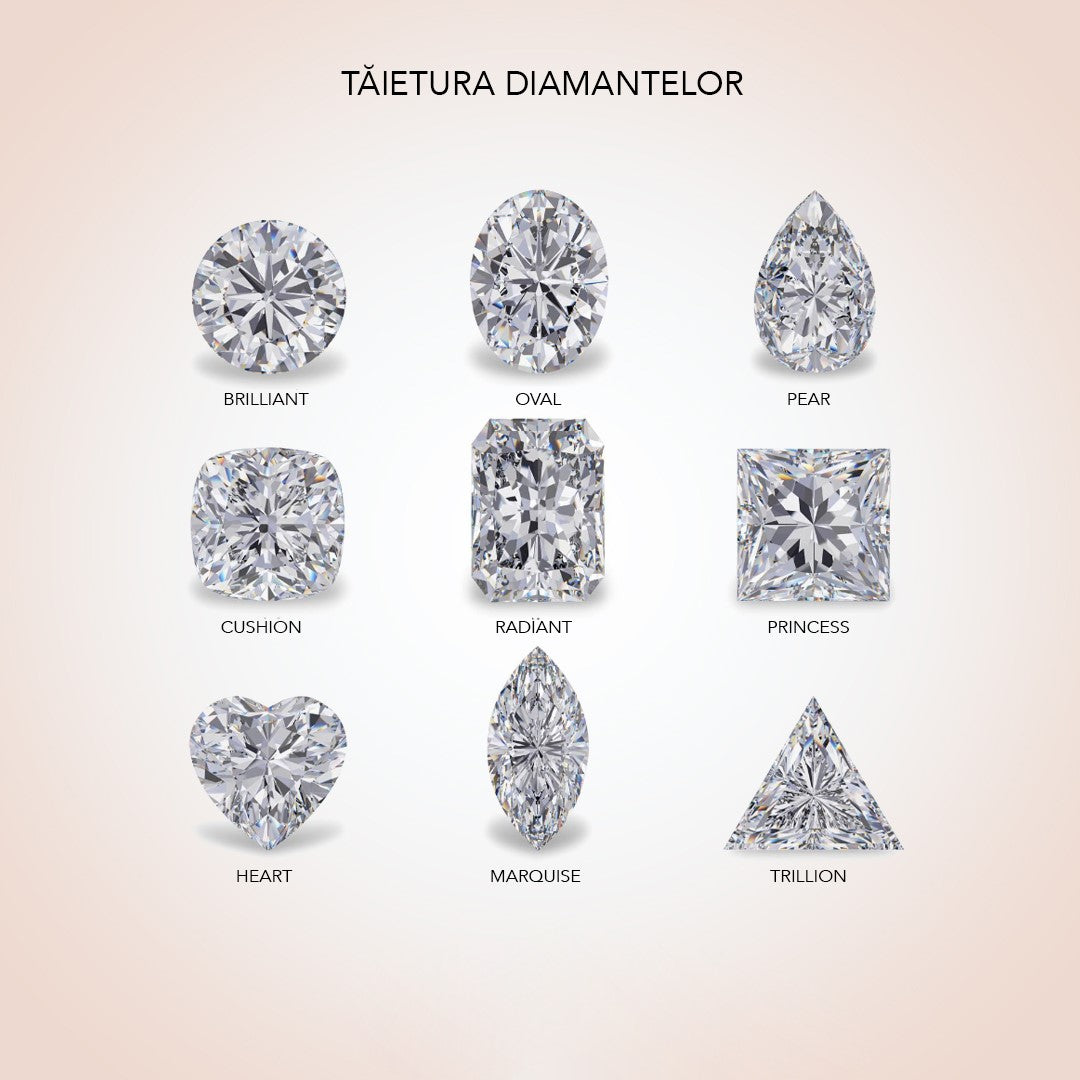
Diamond Cut
There are several types of diamond cuts, each bringing its own characteristics and distinctive beauty. Each of these cuts offers its own uniqueness and charm, allowing wearers to choose the perfect diamond for their tastes and preferences.
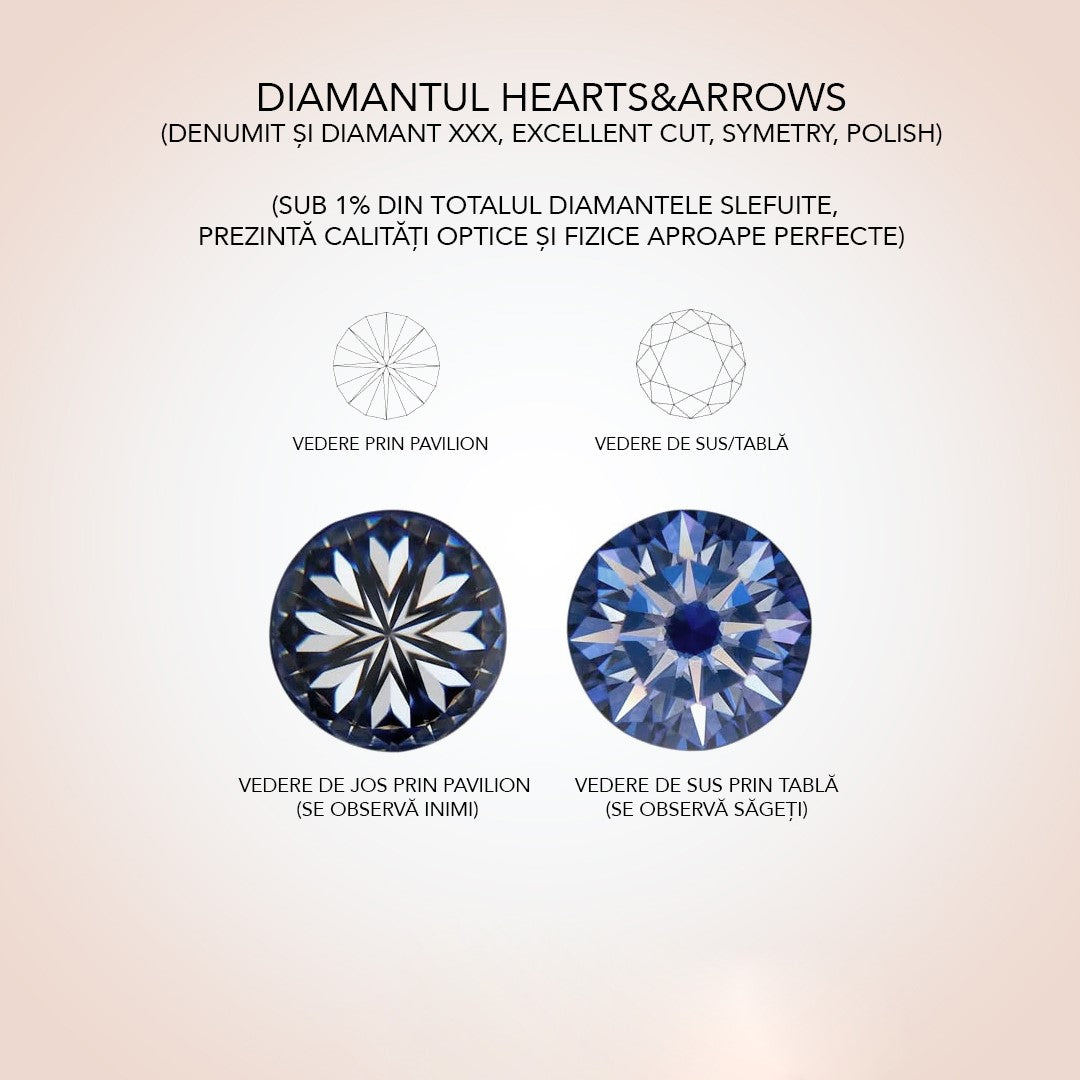
Diamantu Heart&Arrows
The "Heart & Arrows" diamond is a special variant of the round cut, featuring distinct heart and arrow patterns visible when viewed through a special loupe. These patterns are the result of a perfectly symmetrical and proportionate cut, which produces an exceptionally uniform and vibrant brilliance and light refraction. "Heart & Arrows" diamonds are considered to be some of the best-crafted and most beautiful diamonds, adding a touch of refinement and elegance to the jewelry in which they are included.
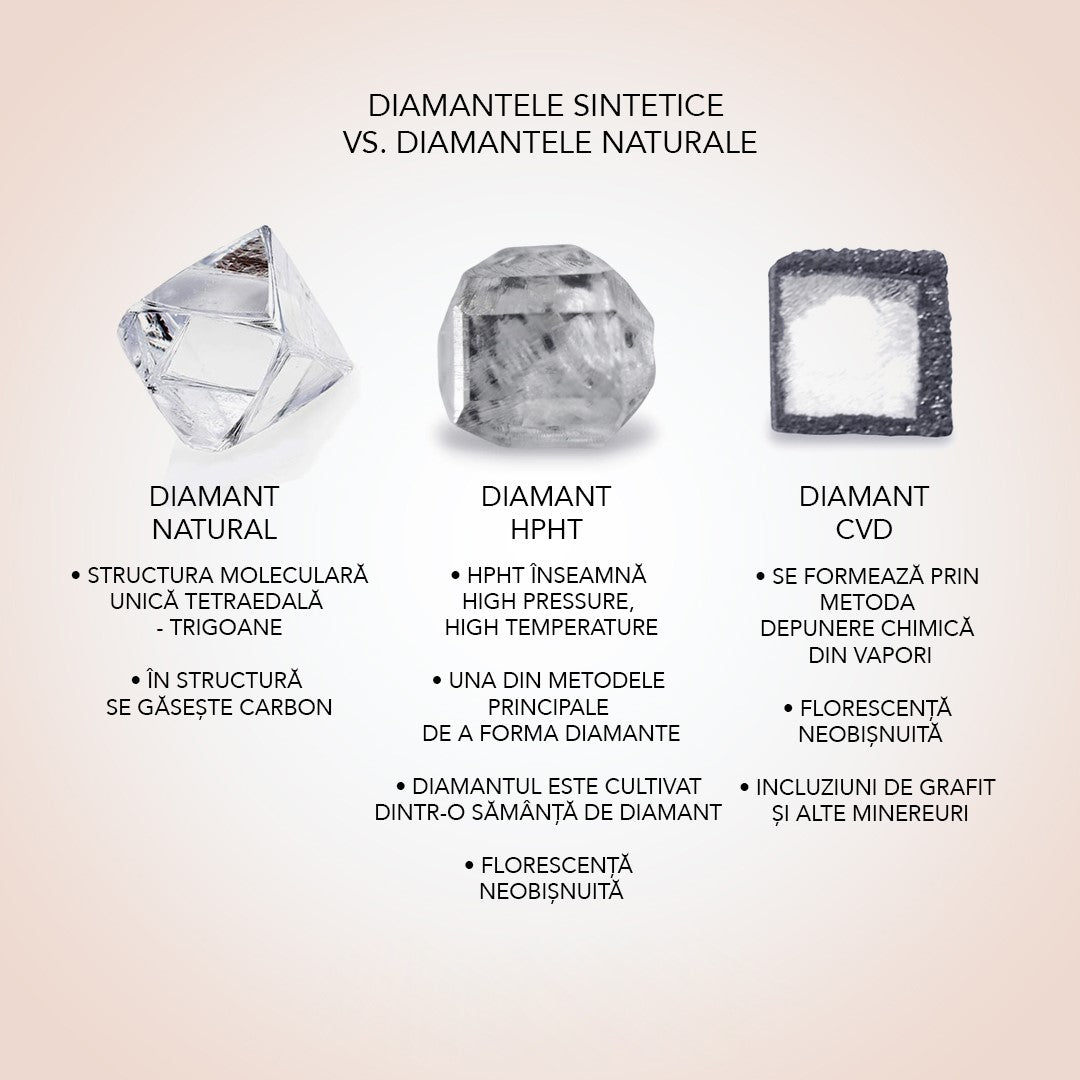
Synthetic and natural diamonds
Synthetic diamonds and natural diamonds are two types of diamonds that differ in their formation process and some physical characteristics. Natural diamonds are created naturally within the Earth's crust, while synthetic diamonds are produced in a laboratory using advanced technologies.
Synthetic diamonds are often considered more environmentally friendly and more affordable than natural ones, but both types have their own advantages and disadvantages. Natural diamonds have sentimental value and a long history, while synthetic diamonds can be customized and produced in a controlled and sustainable manner.

