În trend: inele masive, statement
Primele inele de tip sigiliu
În jurul anului 3500 î.Hr., în Egiptul antic, faraonii și nobilii purtau inele de tip sigiliu din piatră sau ceramică, decorate cu simboluri care denotau puterea, dar și cu elemente din artă. Civilizația minoică a creat inele cu sigiliu din fildeș, iar mai apoi, în timpul epocii bronzului s-a făcut trecerea la inelele metalice, așa cum le cunoaștem astăzi.
În Evul Mediu, orice bărbat cu influență avea un inel tip sigiliu, cu monograma sa ori cu emblema familiei gravată. Și, chiar dacă acestea sunt bijuterii foarte frumoase, la început au avut un scop practic. Erau folosite de către nobilime pentru a sigila documentele (se utiliza ceară fierbinte) sau pentru a semna toate scrisorile și documentele legale (se utiliza cerneală).
A avea un inel cu sigiliu în acea perioadă te marca drept membru al celei mai înalte clase, mai presus de alți oameni obișnuiți. În secolul al XIV-lea, regele Edward al II-lea a decretat că toate documentele oficiale să fie semnate cu inelul care avea sigiliul său.
În epoca medievală, nu numai regii, ci și membrii nobilimii și clerului purtau aceste inele. De-a lungul Renașterii și până în secolul al XIX-lea, inelele cu sigiliu au devenit semnul suprem al elitismului și bogăției pentru comercianți, medici și avocați. În acea vreme, aceste bijuterii erau foarte grele și masculine, făcute într-o formă robustă pentru a rezista la uzură - erau utilizate în mod regulat pentru semnarea documentelor, iar totodată exista tradiția ca acestea să fie transmise din generație în generație.
În secolul al XIX-lea li s-au adăugat pietre prețioase și semi-prețioase. Practica sculptării sigiliului în pietre prețioase a adus culoare acestui tip de inel, cele mai populare pietre introduse în design fiind rubinul, ametistul și granatul.
Pe măsura trecerii timpului, inelul tip sigiliu s-a eliberat de limitele presupuse de clasă și gen. Până la sfârșitul secolului al XIX-lea, deja bărbați din toate clasele sociale începuseră să-l poarte. Și femeile au început să-l îndrăgească, un moment marcant fiind anul 1988, când acest model a fost purtat de către Prințesa Diana.
Inelele tip sigiliu în ziua de astăzi
După o lungă istorie în care a fost un semn al puterii, inelul cu sigiliu este purtat astăzi de femei și bărbați cărora le plac bijuteriile clasice și atemporale. Este o bijuterie îndrăzneață, care păstrează deopotrivă aspectul simplu, dar și sofisticat. Pe lângă membrii regalității care sunt rar văzuți fără acest inel (de exemplu Prințul Charles), celebrități precum Chris Noth, Johnny Depp, Kate Moss și Kristen Stewart sunt fani ai modelului.
Gucci, Alexander McQueen,Valentino și Fendi sunt unele dintre casele de modă de lux care au reinterpretat în viziunea lor inelul tradițional tip sigiliu.
Corporațiile și organizațiile aplează la inele cu sigiliu, pentru a identifica afiliațiile membrilor, iar francmasonii, universitățile și chiar bandele de motocicliști au propriile modele. De asemenea, unele figuri militare poartă inelul ca semn al rangului lor.
Cum se poartă un inel tip sigiliu
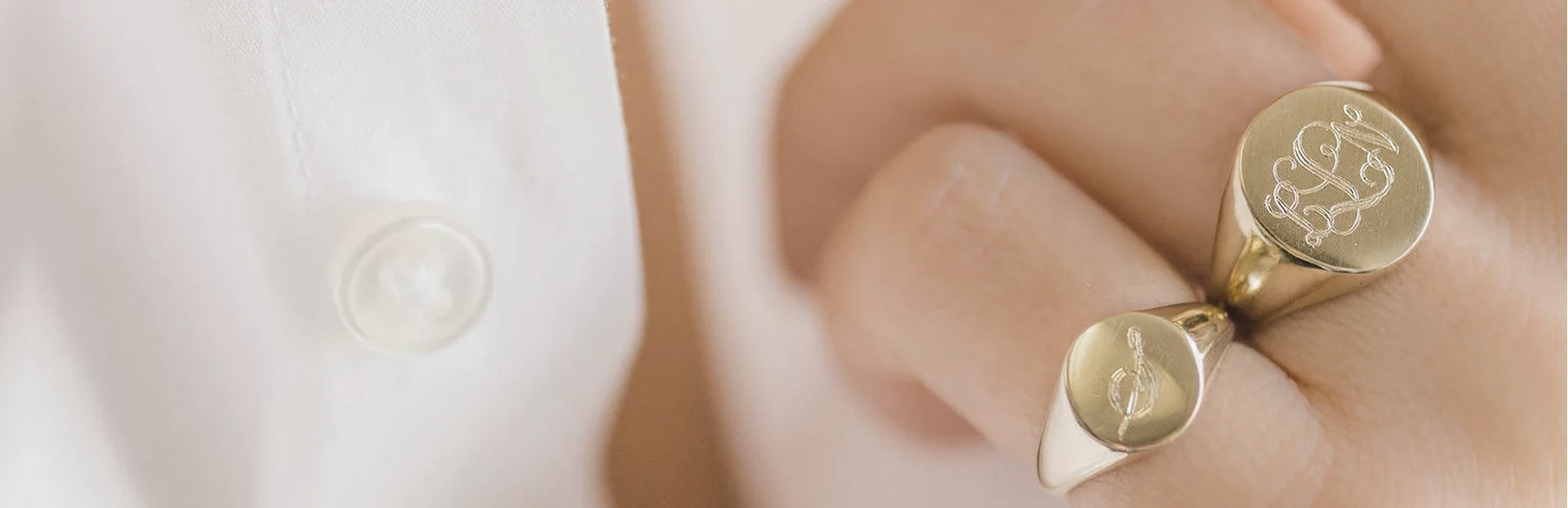
În mod tradițional, se poartă pe degetul mic al mâinii stângi (respectiv mâna dreaptă dacă ești stângaci). Cu toate acestea, regulile sunt puțin mai relaxate în zilele noastre, poți să porți inelul cu sigiliu pe degetul mic sau inelar al oricărei mâini. Îl poți asorta cu alte bijuterii, inclusiv cu alte inele, brățări, butoni ori ceasuri (este recomandat să potrivești metalele între ele).
Prețuit atât de bărbați, cât și de femei, suficient de mare pentru a fi considerat o bijuterie statement, dar practic pentru a fi purtat zilnic, inelul cu sigiliu este accesoriul perfect pentru garderoba ta de zi cu zi.
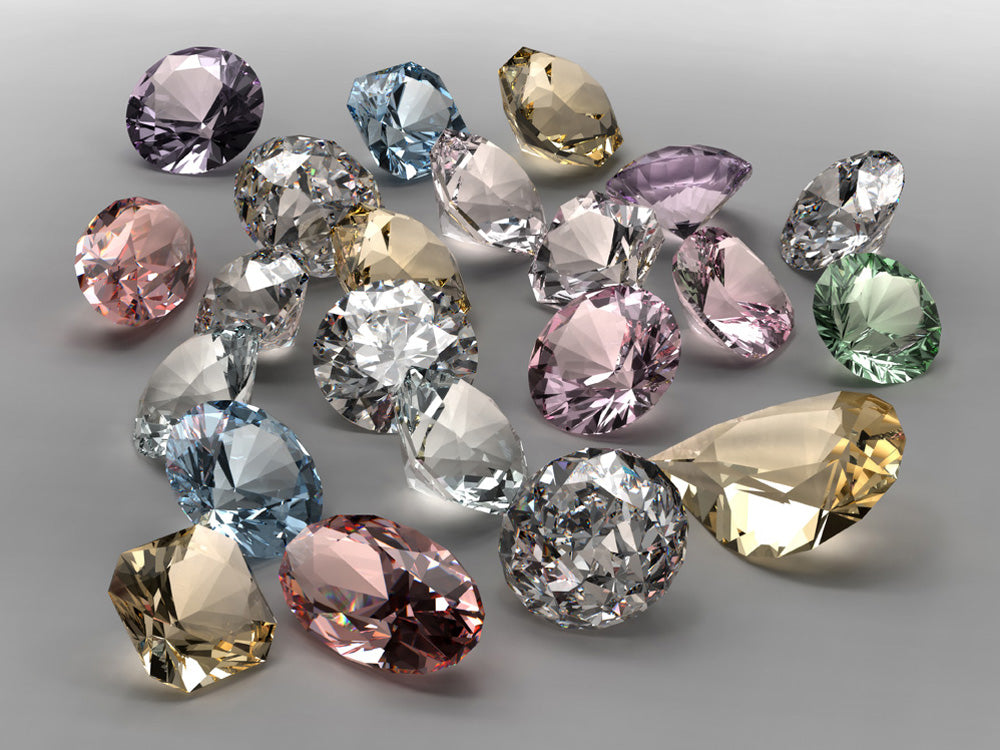
La Moogu putem să gravăm frumos inițialele pe inelul tău sau poți alege ca tu și partenerul să purtați inițialele reciproce pe deget. În ziua de astăzi din ce în ce mai multe persoane aleg mai degrabă inelul de tip sigiliu decât veregheta. Ca modele de inele de logodnă propunem tot inelele masive, dar de data aceasta pe cele cu piatră (diamante, safire, rubine sau alte pietre prețioase) care pot fi integrate in design-uri la comandă.