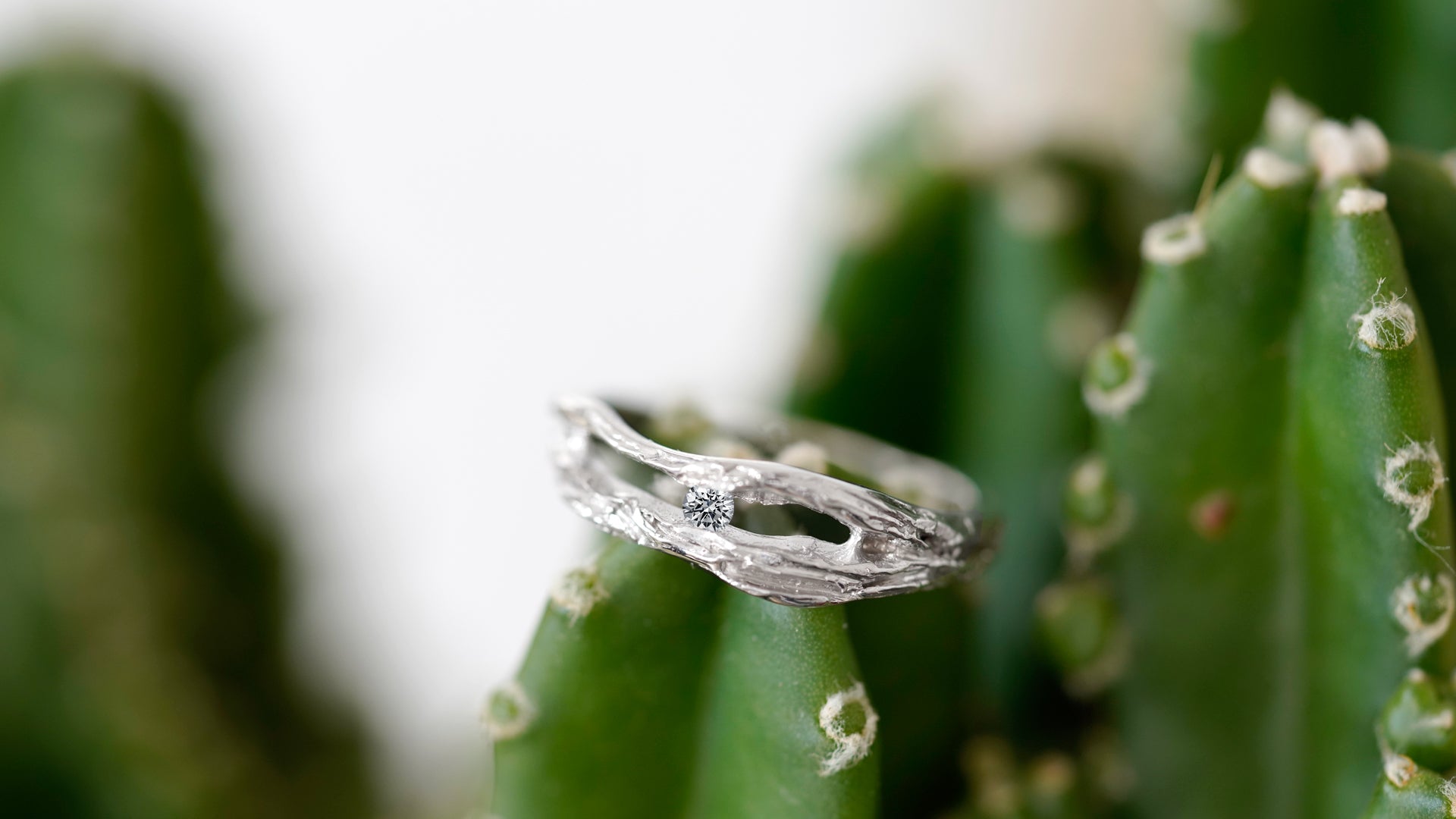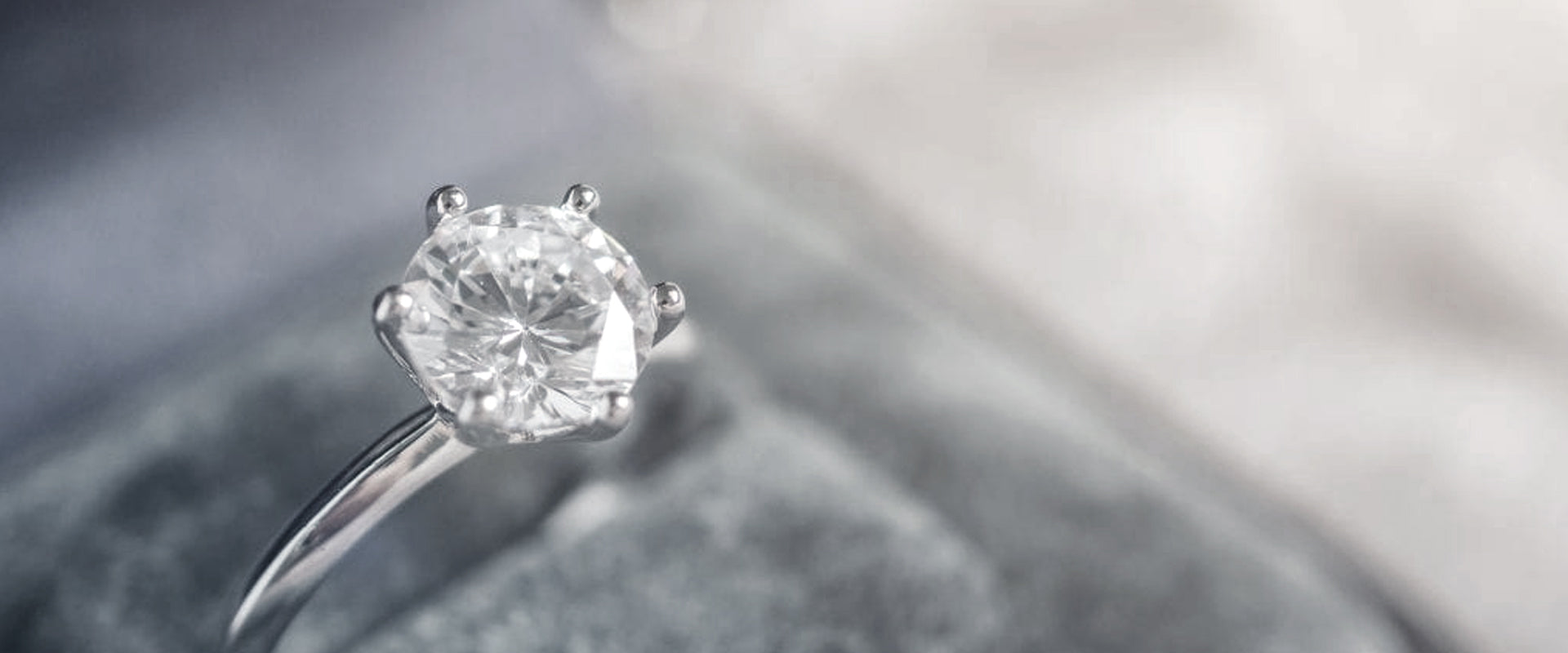
Pietre prețioase ale lunii martie - acvamarin și piatra de sânge
PIATRA DE ACVAMARIN, PIATRA CURAJULUI
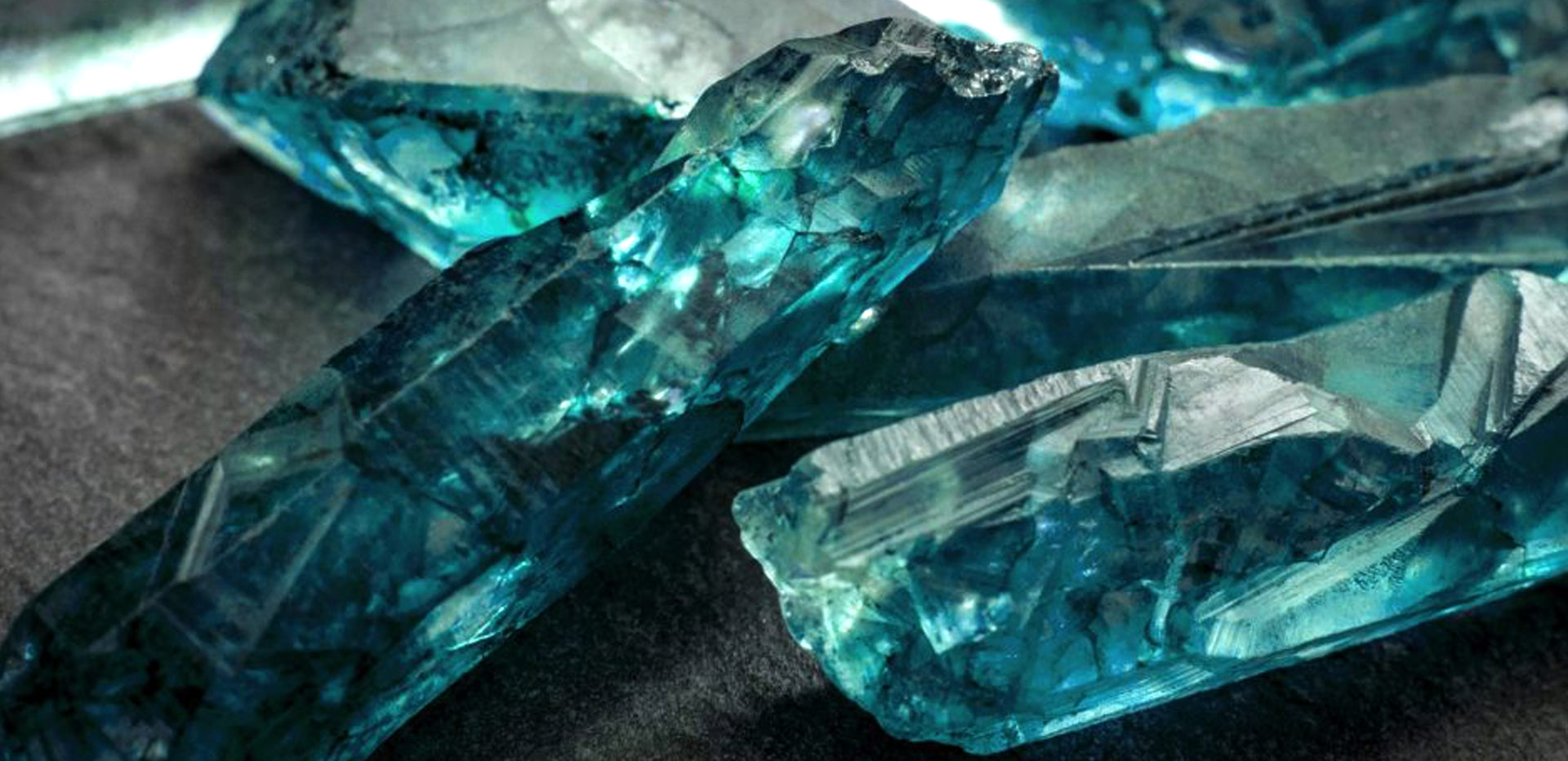
Una dintre pietrele de naștere ale lunii martie este acvamarinul, o frumoasă piatră într-o nuanță albăstrui-deschis cu o tentă de verde, renumită pentru proprietățile sale calmante și liniştitoare. În cele mai vechi timpuri, această piatră albastră-acvatică se credea că protejează marinarii în călătoriile lor oceanice.
Culorile mării surprinse într-o singură bijuterie
Piatra de acvamarin este o bijuterie semiprețioasă caracterizată de culorile mării (din latină, ”aqua” pentru apă și ”marina” pentru mare) și, de obicei, se găsește în nuanțe de albastru deschis până la un albastru profund saturat. Nuanțele liniștitoare albastru-verzui ale adâncurilor apoase sunt surprinse pentru totdeauna în aceste bijuterii.
Acvamarinul este un beril mineral care se formează din magmă, în interiorul Pământului. Berilul are multe soiuri de bijuterii frumoase: smarald verde-intens, acvamarin, heliodor galben-auriu, beril roșu – un mineral rar și morganit roz.
Unde se găsește piatra de acvamarin?
Statul brazilian Minas Gerais a fost o sursă importantă de acvamarin în ultimele două secole. Dacă te vei gândi vreodată să călătorești acolo, vei găsi o panoramă a peisajelor în continuă schimbare: dealuri stâncoase, râuri și tufișuri domină regiunile centrale și estice; savane, păduri și izvoare îmbracă partea de vest; iar dealurile verzi luxuriante se rostogolesc spre sud. Pietrele de acvamarin se găsesc în rocile dure și depozitele pegmatite în porțiunea estică a statului, în apropierea centrului de bijuterii Teófilo Otoni.
Pietrele de naștere acvamarine sunt exploatate și în Kenya, Madagascar, Nigeria, Zambia și Mozambic, precum și în alte părți din Africa. Sursele americane includ zona Mount Antero din Colorado (este bijuteria de stat) și județele California Riverside și San Diego. În plus, acvamarinul a fost găsit și în China, Myanmar, Rusia și Ucraina.
Istoria și semnificațiile acvamarinului, piatra prețioasă a lunii martie
Marinarii antici credeau că talismanele de acvamarin, gravate cu asemănarea zeului mării Neptun, îi protejau împotriva pericolelor oceanului și a înecului. Potrivit legendelor, cozile sirenelor erau făcute din acvamarin, de aceea bijuteria a fost numită apoi „comoara sirenelor”, o bijuterie a mărilor care calmează valurile și îi menține pe marinari în siguranță pe mare.
Piatra de acvamarin nu este doar piatra de naștere pentru luna martie, dar bijuteria se oferă drept cadou și la cea de-a 19-a aniversare a nunții. În ceea ce privește istoria mai recentă, în 1936, guvernul Braziliei i-a acordat primei doamne Eleanor Roosevelt o piatră de acvamarin dreptunghiulară de un albastru închis, cu o greutate de 1.298 carate (ct). Era cea mai mare dintre cele două pietre fațetate dintr-o bucată de acvamarin, care, impresionant, cântărea 1,3 kilograme. Acum este găzduită la Biblioteca și Muzeul Prezidențial Franklin D. Roosevelt din Hyde Park, New York.
Poate că datorită legăturii sale cu apa, piatra de acvamarin emană o influență calmantă și liniștitoare și îl ajută pe purtător să rămână mai echilibrat și cu mintea limpede în situațiile stresante.
Multe culturi spuneau că acvamarinul avea o influență relaxantă și pe uscat, în special asupra cuplurilor căsătorite, unde putea să trezească din nou dragostea. Este, de asemenea, un simbol al tinereții veșnice.
Energia vindecătoare a acvamarinului este legată de chakra gâtului și ajută la dezvoltarea comunicării verbale și exprimării de sine. Așează piatra de acvamarin sub luna plină, pentru a-i restabili aspectul și reînnoi energia.
Bijuteriile din piatră de acvamarin sunt un cadou minunat pentru a reaminti drag cuiva să fie încrezător și curajos în toate situațiile.
Ce este această piatră de naștere tradițională din luna martie?
Cristalul de piatră de sânge, cunoscut și sub numele de heliotrop, este o varietate de calcedonie (cuarț folosit ca piatră semiprețioasă, la confecționarea unor obiecte de art) care este în mod tradițional semi-translucidă până la o nuanță de verde-închis ca de jasp cu incluziuni roșii de oxid de fier, de hematit.
Aceste incluziuni seamănă cu petele de sânge, de unde și numele acestui cristal. Incluziunile pot fi și de alte culori, cum ar fi galben sau alb, dar roșu este cea mai cunoscută și populară culoare.
Proprietățile mitice ale pietrei de sânge
Piatra de sânge este un material străvechi care a fost folosit de babilonieni (înainte de 539 î.Hr.) pentru a produce amulete și talismane cu proprietăți de vindecare. Vechii egipteni credeau că piatra de sânge ar putea face un individ mai puternic și mai viclean în luptă, poate chiar invizibil pentru dușmanii săi.
De-a lungul istoriei, piatra de sânge a fost legată de abilitatea de a controla vremea, de a prezice viitorul, de a câștiga bătălii în sala de judecată și de a spori creativitatea. De fapt, a fost atât de iubită pentru proprietățile sale încât mulți au folosit piatra în bijuterii, inele cu sigle și chiar pahare sau statui mici.
Istoria și semnificațiile pietrei de sânge: piatră magică sau talisman norocos?
Denumirea alternativă de heliotrop a cristalului de piatră de sânge provine din cuvântul grecesc antic care înseamnă „a transforma soarele”. În cele mai vechi timpuri, se spunea că aceste cristale pot transforma soarele în roșu dacă ar fi introduse în apă, iar în Evul Mediu, erau asociate cu răstignirea lui Hristos. Conform legendei, când Hristos a fost răstignit, sângele a picurat pe pământul verde și s-a format această piatră roșu-verde.
Mai multe proprietăți metafizice au fost atribuite acestei pietre de naștere din luna martie. Acestea includ creșterea rezistenței, conferirea invizibilității și păstrarea sănătății și a tinereții. În vremurile moderne, mulți consideră că piatra de sânge semiprețioasă este un talisman norocos, deoarece o folosesc sportivii și alte persoane care doresc să exceleze în forță și putere. Pe de altă parte, în India zilelor noastre, pietrele de sânge fine pot fi zdrobite într-o pulbere și folosite ca afrodiziac.
Cristalul de piatră de sânge este legat de chakra rădăcină sau punctul focal al activităţi dinamice, care este asociată cu senzația de siguranță și împământare.
Unde găsește cristalul de piatră de sânge?
Cele mai multe pietre de sânge utilizate astăzi sunt exploatate și tăiate în India. Alte surse de piatră de sânge încorporate în roci sau în albiile râurilor includ țări precum Brazilia, Australia, Germania, Statele Unite, Italia, China și Madagascar și Africa de Sud.
În Statele Unite, au fost găsite mici depozite din acest cristal în California, Nevada, Oregon și Washington. Pietrele de sânge se formează la adâncimi întunecate și temperaturi scăzute în fracturi și cavități datorită precipitațiilor din apele subterane bogate în siliciu.
Deși cristalul de piatră de sânge nu are aceeași frumusețe ca piatra de acvamarin, mulți o admiră și o caută pentru proprietățile sale speciale. Pietrele de sânge folosite în bijuterii sunt de obicei tăiate în stil caboșon pentru un efect vizual spectaculos, deși unele exemplare izbitoare sunt fațetate.
Cristalul de piatră de sânge este un cadou ideal pentru ziua de naștere a cuiva drag care ar aprecia un memento al puterii lor.