Rodinarea aurului
Descoperit în 1803, rodiul este un metal rar și nobil din grupul platinei, de culoare alb-argintiu vibrant. Aproape 80% din tot rodiul provine din minele de platină din Africa de Sud și, fiind doar o cantitate mică disponibilă anual (în jur de 20 de tone), este cel mai scump metal din lume -ajunge să fie și de 25 de ori mai scump decât aurul.
De ce ar trebui placate bijuteriile cu rodiu?
Acest strat subțire depus pe suprafața bijuteriei sporește aspectul, calitatea și longevitatea bijuteriilor. Rodiul nu se murdărește, nu se corodează și este extrem de durabil. Cu toate acestea, este un metal foarte fragil și nu este ușor de modelat, iar ca urmare, rodiul pur nu poate fi transformat în bijuterii. Dar atunci când este folosit pentru a placa alte bijuterii, rodiul îmbunătățește durabilitatea metalului, adaugă un strat suplimentar de protecție și produce un alb mai strălucitor decât argintul, aurul alb sau platina. Fiind un metal dur, o bijuterie placată cu rodiu va fi mai rezistentă la zgârieturi.
În plus, placarea cu rodiu este hipoalergenică. Iar acest lucru se datorează faptului că rodiul nu conține alergeni, cum ar fi nichelul. Dacă ai o bijuterie care îți provoacă reacții cutanate, placarea cu rodiu a respectivei piese poate elimina această problemă.
Care procedeul de placare?
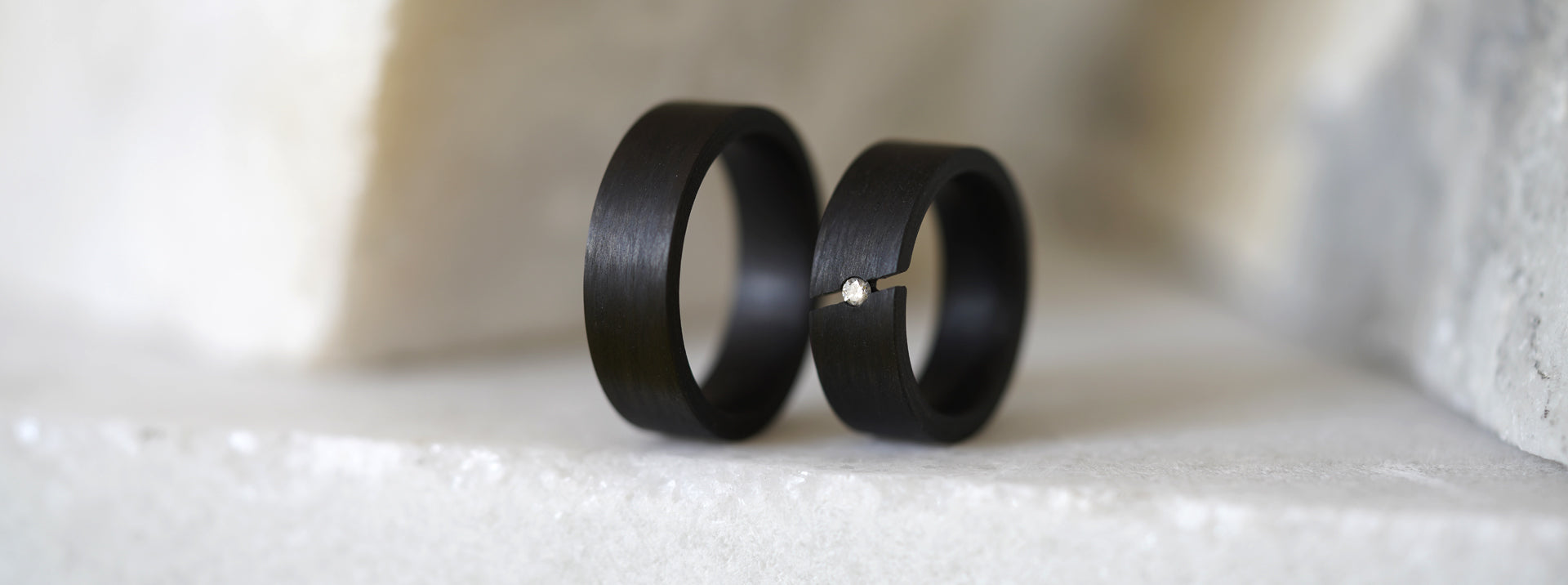
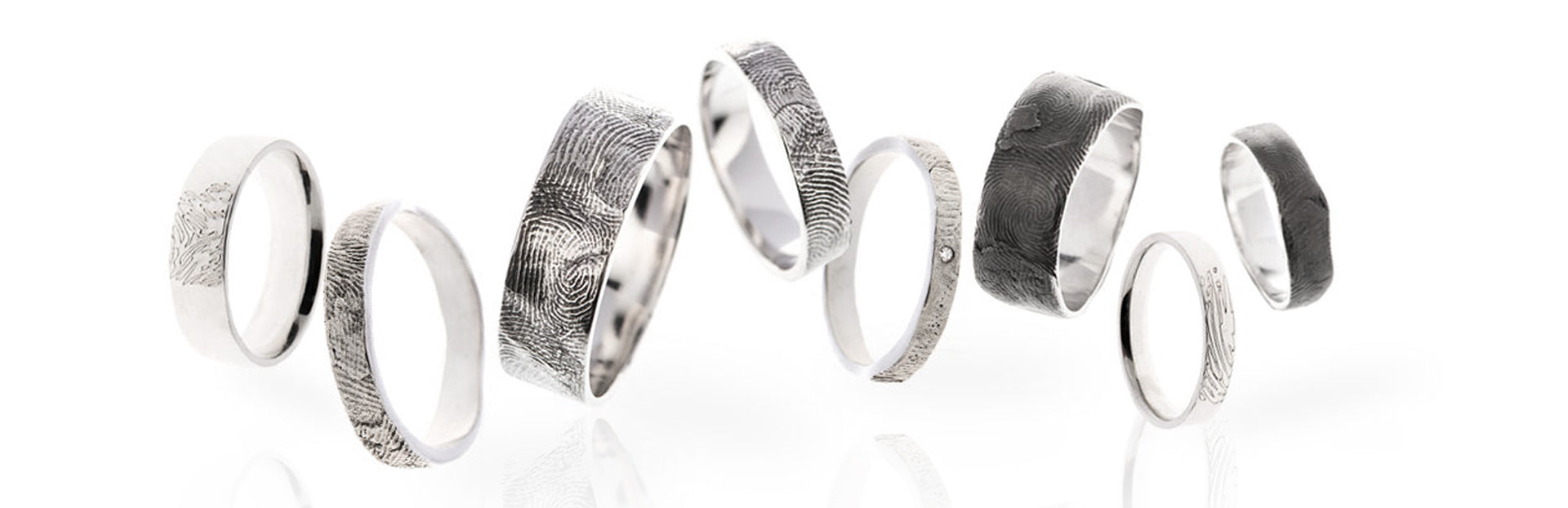
Placarea se poate face galvanic (galvanizarea este o operație care constă în depunerea straturilor de rodiu pe alte metale, precum aurul, de exemplu) într-o baie galvanică sau folosind un sistem de placare cu un stilou galvanic – această procedură e utilizată numai pentru suprafețele mici și pentru corecțiile fine. Există două tipuri de soluții de rodiu pentru băile galvanice: albă și neagră. Soluția de rodiu alb creează un luciu alb argintiu frumos, iar atunci când se folosește rodiu negru, bijuteriile au o suprafață neagră și strălucitoare.
Grosimea ideală pentru placarea cu rodiu este de la 0,75 la 1,0 microni.
Cât timp ține placarea cu rodiu a unei bijuterii?
Ca orice alt metal folosit în bijuterii, rodiul tinde să sufere degradare odată cu expunerea la mediu. De obicei, un inel ar trebui să fie replacat o dată la 1-2 ani, dar acest lucru poate varia în funcție de uzura pe care o are piesa, precum și de grosimea placării. Dacă e vorba de o piesă care nu este purtată zilnic, placarea poate să dureze 7-10 ani.