Colored diamonds
Colored Diamonds
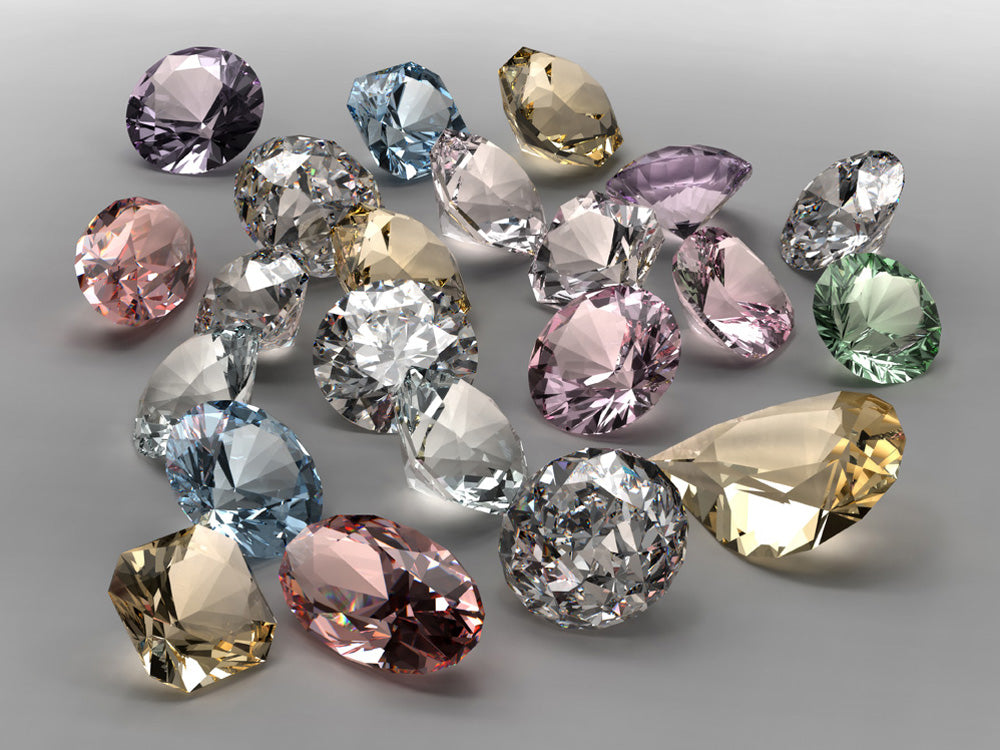
When we think of diamonds, most often our mind immediately goes to the white, colorless ones. However, the world of diamonds contains a much wider range than these traditional precious stones. There are diamonds that come in shades and intensities, across the entire spectrum of colors – known as colored diamonds - and today, they are the most prized stones on the planet.
How are colored diamonds formed?
Traditional white diamonds (colorless diamonds) are created through a complex process involving superheated, highly pressurized carbon molecules, near the Earth's core. Natural colored diamonds are created in the same way, with one key difference. When foreign particles are trapped in the diamond during the crystallization process, they alter the chemical process and thus change the outcome. Chemistry then becomes alchemy, with boron coloring the stone blue, nitrogen yellow, hydrogen red, pink, or purple, and the retroactive salts of uranium giving the stone a sublime green hue.
Colored diamonds of precious quality are extremely rare and exceptionally beautiful. Only one in 10,000 diamonds possesses natural color and is referred to as a colored diamond.
All naturally colored diamonds are rare, but some colors and shades are even rarer than others. They are classified based on their hue, tone, and saturation (from Fancy Light to Fancy Intense and Fancy Vivid). When a diamond has two or three equally visible colors, this is indicated in its name - a brown-pink diamond is therefore a brown diamond with a hint of pink.
The Properties of Colored Diamonds – “the 4C,” the 4 main characteristics: color, carat, clarity, and cut.
Color
The intensity and depth of color is the most important aspect when purchasing a colored diamond. The more intense it is, the rarer and more valuable the diamond will be.
Diamonds are found, naturally, in every color of the rainbow - red, blue, green, purple, yellow, pink, etc. How expensive a colored diamond is depends on its rarity and how sought after that shade is at any given time. Nowadays, the rarest color is red, therefore, the most expensive diamond is the red one.
Carat
After color, carat weight has the greatest impact on price. Large diamonds are much rarer than small ones, making them much more valuable. For this reason, prices for colored diamonds increase exponentially with carat weight.
Clarity
Due to the nature of colored diamonds, clarity is a less important characteristic than it is for colorless diamonds, as inclusions tend to be masked by color.
Cut
Colored diamonds are cut primarily to emphasize their color. This contrasts with colorless diamonds, which are cut to maximize their brilliance.
The Most Beloved Colored Diamonds
The Orange Diamond
Known as the “fire diamond,” it is one of the rarest, most valuable, and beautiful colored diamonds and comes in a variety of shades and intensities (from a light orange to the shade popularly known as “pumpkin”). They are rich in nitrogen, but what makes them orange remains a mystery of nature. The orange diamond evokes courage.
The Green Diamond
Most often, when we see a green stone in jewelry, we automatically assume it is an emerald, but it can be a diamond. While emeralds possess a vibrant green color, green diamonds are actually much stronger than emeralds and come in a wide range of shades. They are created because they have been exposed to atomic radiation, specifically to radioactive uranium in rocks close to the Earth's surface. The intensity of the color is determined by three things: the size of the stone, the duration of exposure to radiation, and the level of radiation it has been exposed to. This type of diamond is synonymous with balance and harmony, as well as a new beginning.
The Pink and Red Diamond
Pink diamonds are among the hardest to find, but red diamonds are by far the rarest. The pink and red colors are due to a change in their microscopic atomic structure, caused by intense heat and pressure. They have been associated with love, romance, and femininity for centuries. The most expensive diamond in the world is the colored stone, “The Pink Star” (an oval stone of 59.60 carats, with a very vivid pink hue, sold for 83 million dollars).
The Blue Diamond
The presence of boron impurities is often responsible for the color of natural blue diamonds. The more boron, the more intense the blue. Additionally, their color can also be caused by exposure to radiation or by association with hydrogen. Blue diamonds are very rare and are often seen as symbols of peace, calm, and freedom. The most well-known is the diamond “Blue Moon” which was sold for 48.4 million dollars, the highest amount ever reached by a blue stone.
The Brown Diamond
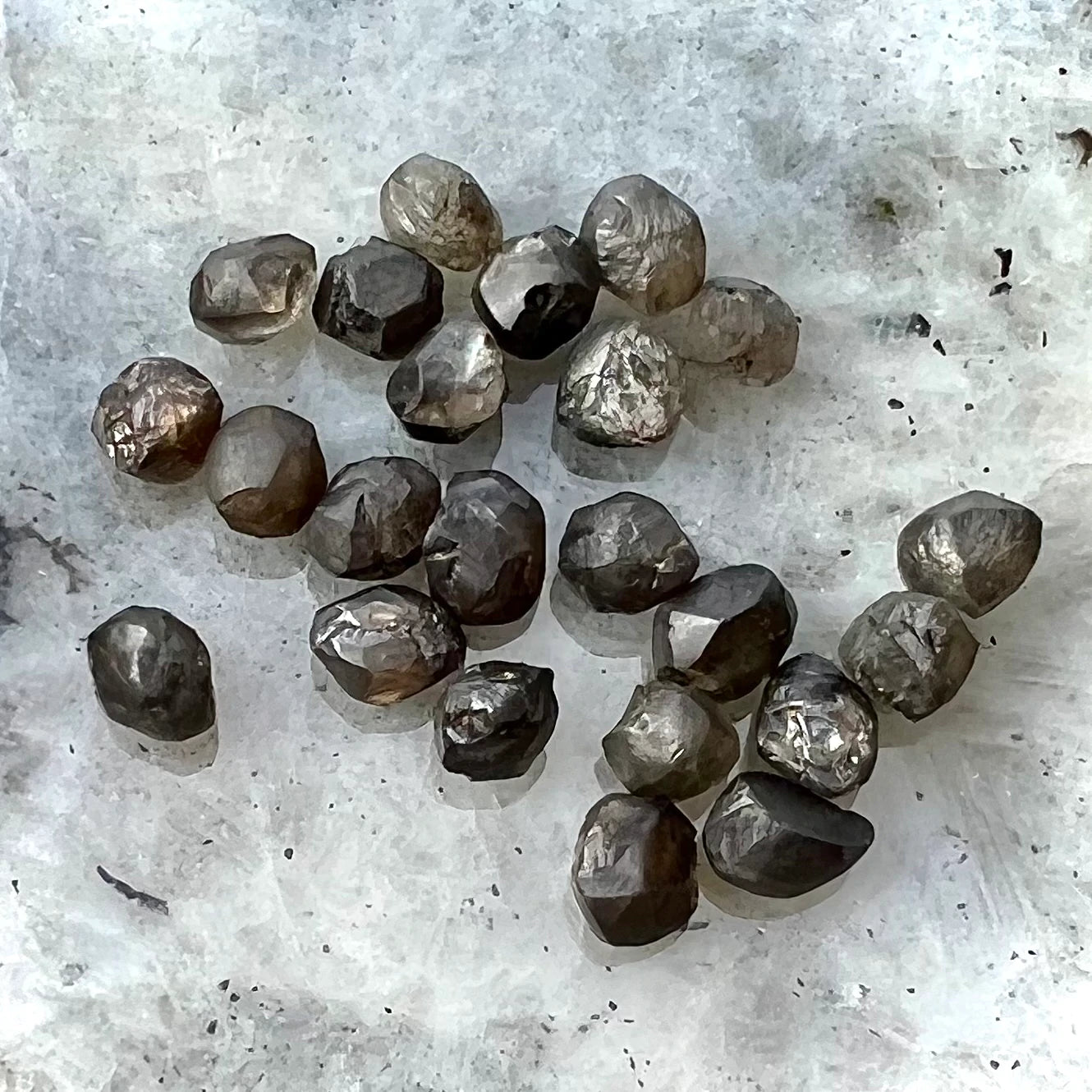
From rich cognac tones to chocolate shades, brown diamonds have been among the first stones used in jewelry and are often associated in the collective imagination with stability and comfort.
The Yellow Diamond
The presence of nitrogen makes a diamond appear yellow, and the intensity of the color depends on the amounts of nitrogen. Yellow diamonds usually evoke feelings of cheerfulness and optimism.
The Purple Diamond
This diamond varies in terms of color intensity levels, ranging from light purple to vivid purple, and up to dark purple. The intensity of the color is due to the amount of hydrogen and boron in the diamond's structure or the amount of pressure it underwent during formation.
In addition to naturally colored diamonds, there are also artificial, treated ones, to make them colored. Many blue, green, and yellow diamonds on the market today are actually lower “normal” color diamonds that have been irradiated. A treated diamond has a lower value than a natural diamond because its hue is likely to wear off over time, affecting its beauty and longevity. For this reason, such diamonds are less expensive (and less valuable) compared to natural ones.