On trend: massive rings, statement
The first seal rings
Around 3500 BC, in ancient Egypt, pharaohs and nobles wore seal rings made of stone or ceramic, decorated with symbols that denoted power, as well as with elements of art. The Minoan civilization created seal rings from ivory, and later, during the Bronze Age, the transition was made to metal rings, as we know them today.
In the Middle Ages, any influential man had a seal ring, with his monogram or family emblem engraved. And, even though these are very beautiful pieces of jewelry, they initially had a practical purpose. They were used by the nobility to seal documents (hot wax was used) or to sign all letters and legal documents (ink was used).
Having a seal ring at that time marked you as a member of the highest class, above other ordinary people. In the 14th century, King Edward II decreed that all official documents should be signed with the ring that bore his seal.
In the medieval era, not only kings but also members of the nobility and clergy wore these rings. Throughout the Renaissance and into the 19th century, seal rings became the ultimate sign of elitism and wealth for merchants, doctors, and lawyers. At that time, these pieces of jewelry were very heavy and masculine, made in a robust shape to withstand wear - they were regularly used for signing documents, and there was also a tradition of passing them down from generation to generation.
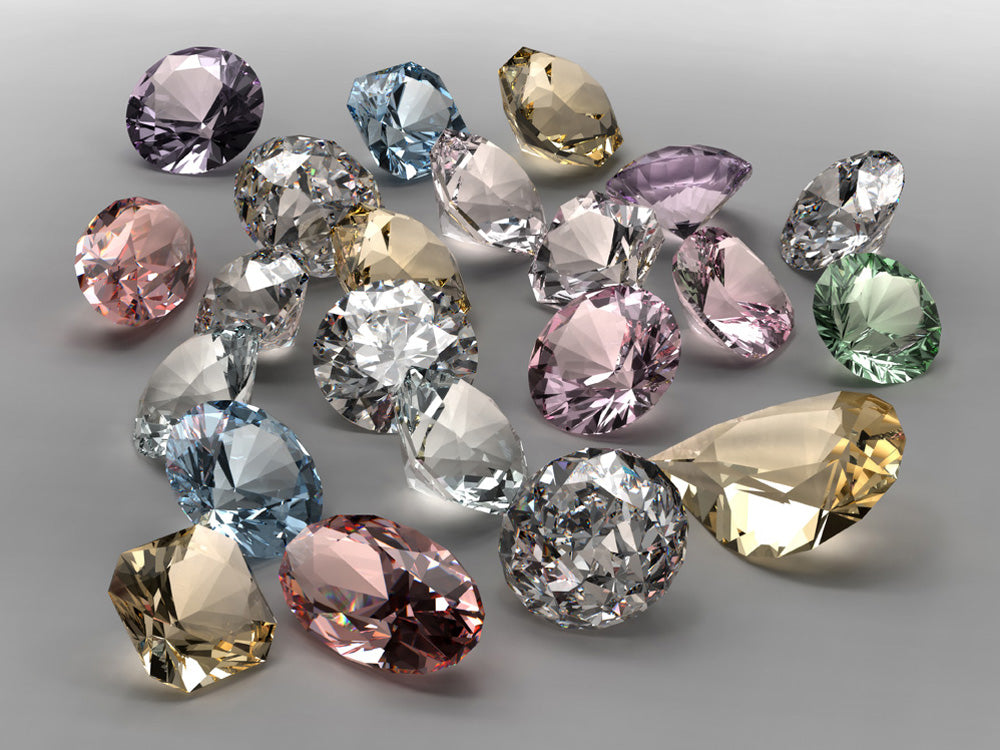
In the 19th century, precious and semi-precious stones were added to them. The practice of engraving seals in precious stones brought color to this type of ring, with the most popular stones introduced into the design being ruby, amethyst, and garnet.
As time went on, the seal ring freed itself from the constraints of class and gender. By the end of the 19th century, men from all social classes had begun to wear it. Women also started to love it, a significant moment being the year 1988, when this model was worn by Princess Diana.
Seal rings today
After a long history as a sign of power, the seal ring is now worn by women and men who appreciate classic and timeless jewelry. It is a bold piece of jewelry that maintains both a simple and sophisticated look. Besides members of royalty who are rarely seen without this ring (for example, Prince Charles), celebrities like Chris Noth, Johnny Depp, Kate Moss, and Kristen Stewart are fans of the model.
Gucci, Alexander McQueen, Valentino, and Fendi are some of the luxury fashion houses that have reinterpreted the traditional seal ring in their vision.
Corporations and organizations turn to seal rings to identify the affiliations of their members, and Freemasons, universities, and even motorcycle gangs have their own designs. Additionally, some military figures wear the ring as a sign of their rank.
How to wear a seal ring
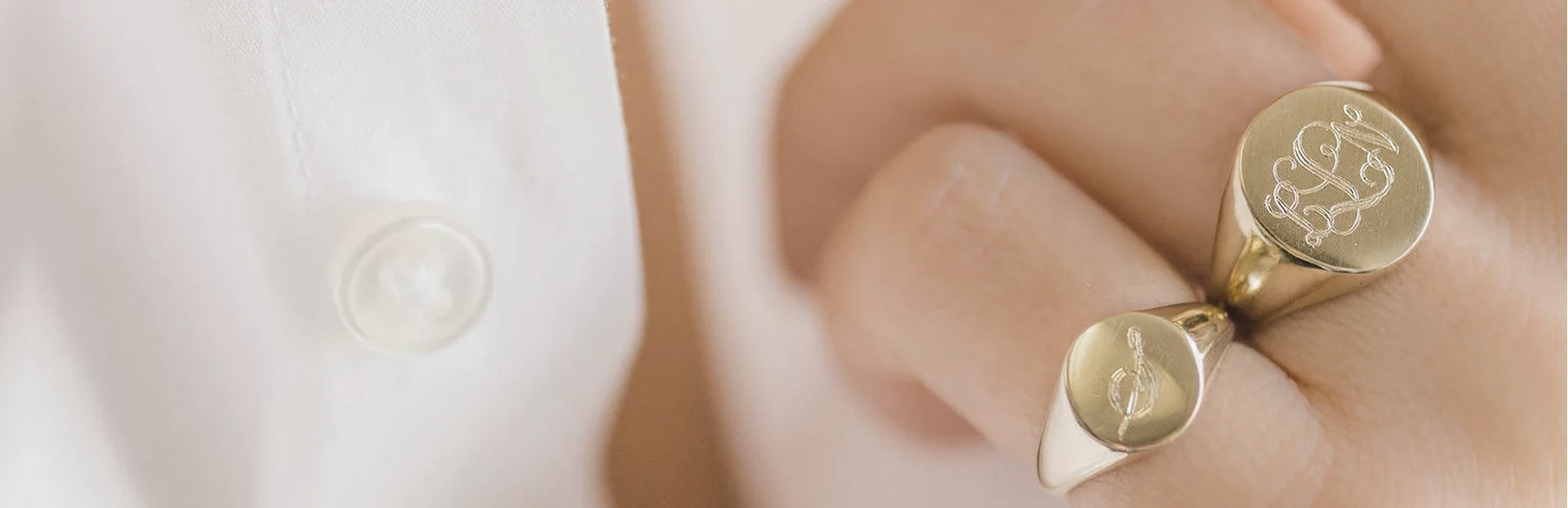
Traditionally, it is worn on the little finger of the left hand (or the right hand if you are left-handed). However, the rules are a bit more relaxed nowadays; you can wear the seal ring on the little or ring finger of either hand. You can match it with other jewelry, including other rings, bracelets, cufflinks, or watches (it is recommended to match the metals with each other).
Valued by both men and women, large enough to be considered a statement piece of jewelry, yet practical enough to be worn daily, the seal ring is the perfect accessory for your everyday wardrobe.
At Moogu, we can beautifully engrave initials on your ring, or you can choose for you and your partner to wear each other's initials on your fingers. Nowadays, more and more people prefer the seal ring over the wedding band. As engagement ring models, we also propose massive rings, but this time with stones (diamonds, sapphires, rubies, or other precious stones) that can be integrated into custom designs.