Valoare unui diamant și cei 4c universali Culoare. Claritate. Cut. Carate.
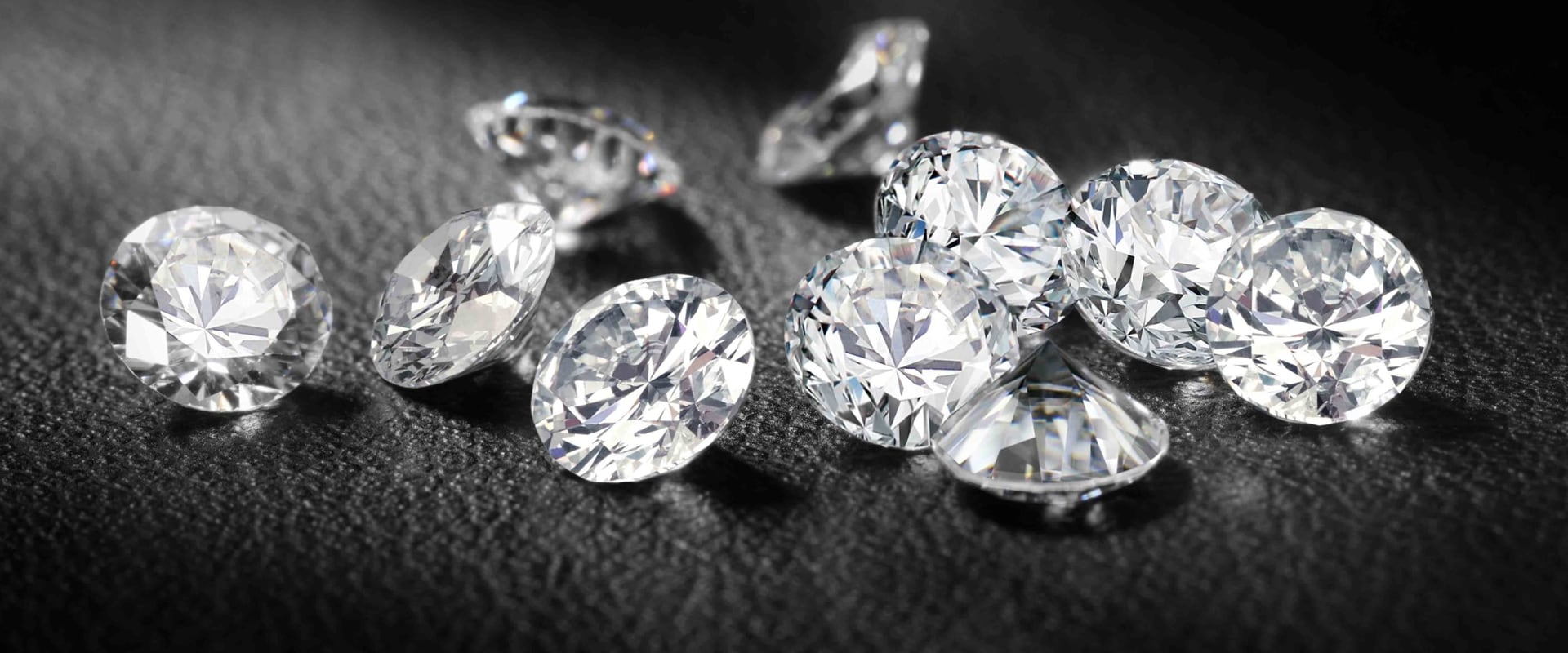
Pentru unii dintre noi, diamantele reprezintă o investiție foarte bună, iar pentru alții simbolizează angajamentul față de persoana iubită. Și totuși, nu toate diamantele sunt la fel de valoroase și de… strălucitoare. După cum probabil ai auzit deja, cele mai importante caracteristici în alegerea unui diamant definesc cei „4C”. Astfel, MOOGU a alcătuit pentru tine un scurt intro pentru diamante, menit să te ajute să înțelegi factorii care influențează calitatea și valoarea unui diamant.
Varianta de poveste a diamantelor
Din punct de vedere științific, diamantele pot fi produse doar în mantaua Pământului – acel strat situat între nucleu și scoarța terestră, gros de aproximativ 3000 de km. Aceste nestemate dragi se făuresc în condiții foarte ridicate de temperatură și presiune și apoi, sunt purtate spre suprafața scoarței terestre, prin intermediul erupțiilor vulcanice care au loc în subteran.
Ținând cont de mediul de proveniență, îți poți imagina că diamantele ajung la suprafață într-o formă brută, aspectul lor fiind unul mai puțin spectaculos. Frumusețea diamantelor, considerată de mulți specialiști vie și captivantă, se dezvăluie abia după multe ore de muncă și migală a unor bijutieri iscusiți.
Un diamant, în starea lui inițială, se găsește în formă de cristal cubic alcătuit din 8 triunghiuri echilaterale – octaedru, cu o transparență opacă. Doar 30% din diamantele de pe Pământ pot fi șlefuite și numai cu pulbere de diamant și fulerenă.
Un diamant este carbon pur. Și cum ajunge acesta să fie cea mai dorită piatră prețioasă, descoperă în continuare.
Cum alegi diamantul potrivit?
Cei 4C universali reprezintă factorii care ajută la clasificarea diamantelor finite.
1.CULOAREA
Diamantele au capacitatea de a refracta și reflecta lumina. Culoarea D reprezintă cel mai bun grad de culoare al unui diamant, fiind absolut incolor și extrem de rar în natură – datorită acestui fapt devine cea mai valoroasă culoare.
Culorile diamantelor încadrate de la D la M sunt considerate diamante albe, iar cele încadrate de la N la Z sunt cele mai galbene sau maronii diamante. Cele mai comerciale diamante se regăsesc în culorile cu gradul între G și H, iar culorile cu gradul între D și F produc diamante rare și de calitate superioară.
Orice diamant cu o nuanță mai închisă decât scara Z intră în categoria diamantelor fantezie. Un diamant natural - fantezie reprezintă unul din cele mai rare si scumpe diamante colorate.
2.CLARITATEA
Claritatea este mai dificil de analizat cu ochiul liber, deoarece se referă la cât de clar este diamantul și implică atât o mărire de câteva zeci de ori sub lupă, cât și expertiza unui gemolog. Cu toate acestea, poți remarca dacă în structura pietrei există mici incluziuni / imperfecțiuni externe sau interne. Este important să ții cont de ele, deoarece în unele situații, îți pot indica autenticitatea diamantului.
· Claritatea cea mai bună a diamantelor, este FL (Flawless) și IF (Internally Flawless), însă, aceste diamante sunt deosebit de rare.
· Dacă dorești o claritate foarte bună, poți alege de la VVS1 la VS2, incluziunile observându-se doar la microscop.
· Gradele de claritare VS2, SI1 și 2 prezintă mici incluziuni care nu pot fi observate cu ochiul liber, văzându-se doar cu lupa de 10X.
· MOOGU nu recomandă diamantele cu grad de claritate I1,I2,I3, acestea prezentând imperfecțiuni evidente, care pot afecta transparența și strălucirea unui diamant.
3.CUT - TĂIETURA
Modul în care un diamant este tăiat și șlefuit, îi determină dimensiunea, finisajul și strălucirea hipnotizantă. Însă, pentru a diferenția diamantele, nu trebuie să reții toate tipurile disponibile de tăieturi, ci pur și simplu să te lași acaparat de emoția ce ți-o oferă diamantul preferat.
Când un diamant tăiat în proporții corecte și ideale, lumina pătrunde în el și reflectă acea strălucire specifică, acel “foc” al diamantului.
MOOGU recomandă ca tăietura, simetria și șlefuirea diamantelor să fie VG ”very good / foarte bun” sau EX ”gradul de simetrie excelent”. Cea mai modernă tăietura este în formă de briliant – rotundă, care are 57 sau 58 fațete.
4.GREUTATE ÎN CARATE
Caratul nu este altceva decât etalonul de măsură pentru masa pietrelor prețioase, acesta indicând principalul criteriu ce influențează prețul unui diamant. În cazul diamantelor mici, se folosește frecvent și măsurarea în puncte sau în sutimi. În funcție de tăietură, caratajul diamantelor este în strânsă legătură cu diametrul vizibil.
Certificarea diamantelor
Un certificat este un raport de evaluare a pietrei prețioase, întocmit de o echipă de gemologi, într-un laborator dotat cu aparatură specială, din industria diamantelor.
Un certificat dovedește că un diamant este veritabil și stabilește caracteristicile tehnice ale acestuia – dimensiunea, claritatea, culoarea, finisajul, simetria - precum și calitatea pietrei prețioase.
O piatră prețioasă atestată de laborator independent de gemologie, are o valoare mai mare.
Diamantele cu un carataj mai mare de 0,4 ct ar trebui să fie însoțite de un certificat realizat de diferite laboratoare acreditate din domeniu.
Majoritatea diamantelor sunt inscripționate cu laser pe rondistă, cu un număr sau o serie unice, astfel încât poți afla la o simplă căutare pe google caracteristicile diamantului. Această serie nu se poate vedea cu ochiul liber, putând fi vizualizată doar cu lupa de 10X.
Fiecare institut sau laborator acreditat are standarde diferite de analizare a pietrelor. Cel mai prestigios și respectat laborator din industria diamantelor este GIA (Gemological Institute of America), deoarece are standarde foarte ridicate și stricte. Un alt institut cu prestigiu este Institutul HRD Antwerp (Hoge Raad voor Diamant), care are sediul în Europa.
Alte laboratoare de menținut:
·IGI (International Gemological Institute)
·EGL European Gemological laboratory
Bijuteriile MOOGU conțin diamante aduse din Antwerp, cu certificate GIA sau HRD. De asemenea, MOOGU este acreditat să certifice, clasifice și să evalueze pietre prețioase și diamante.